Compressors for Challenging Environments

Innovative Tropical Compressors for R600a and R290

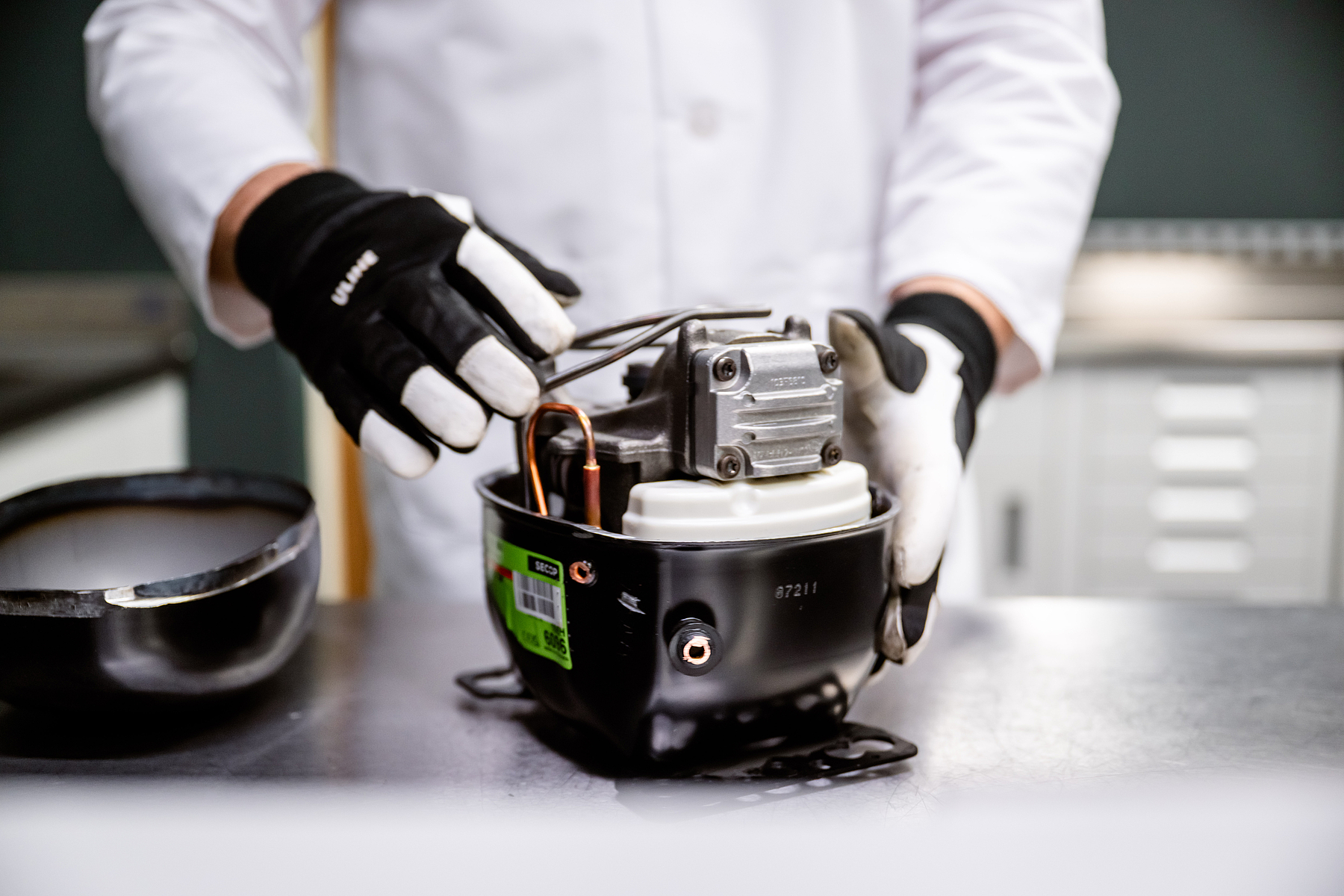
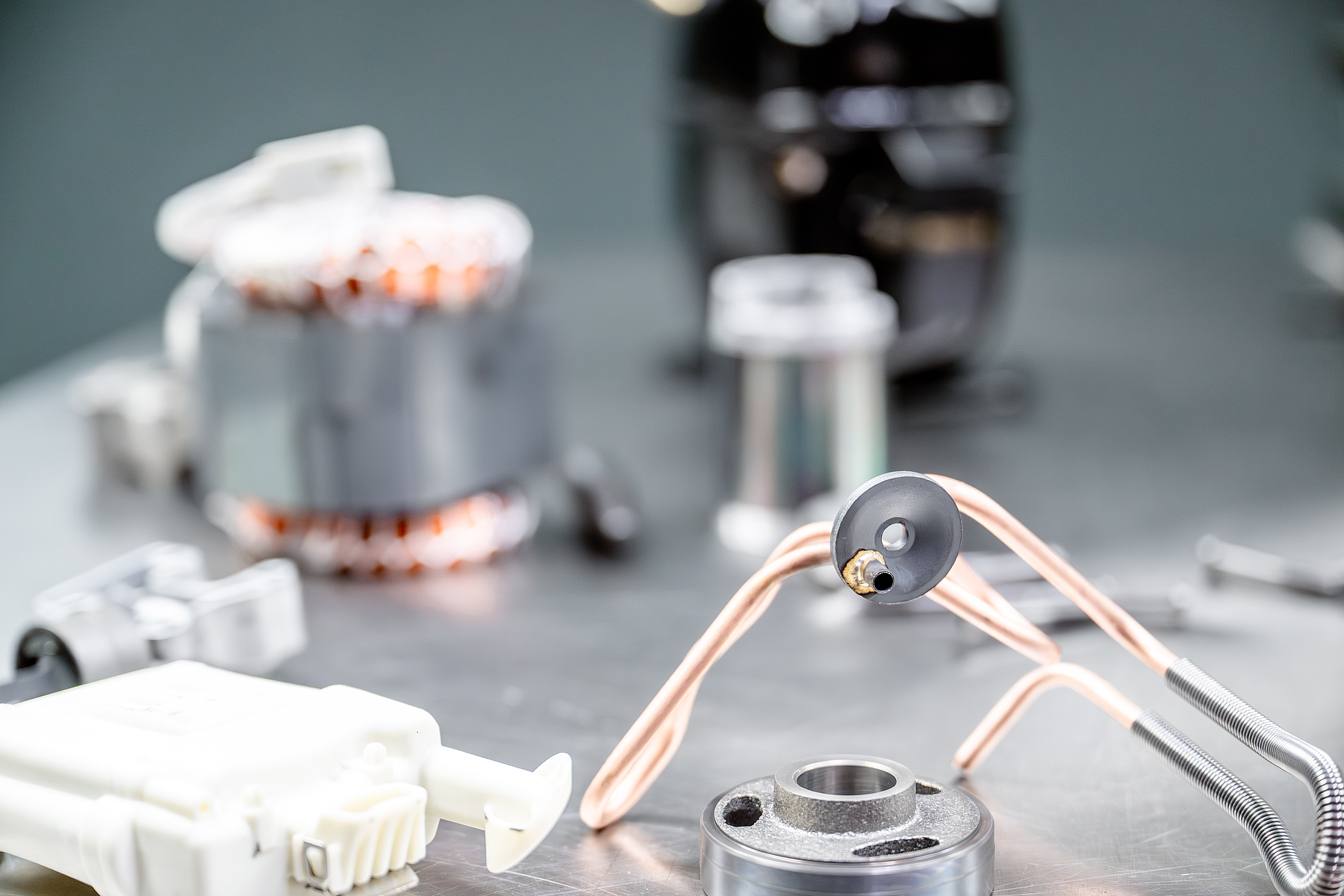
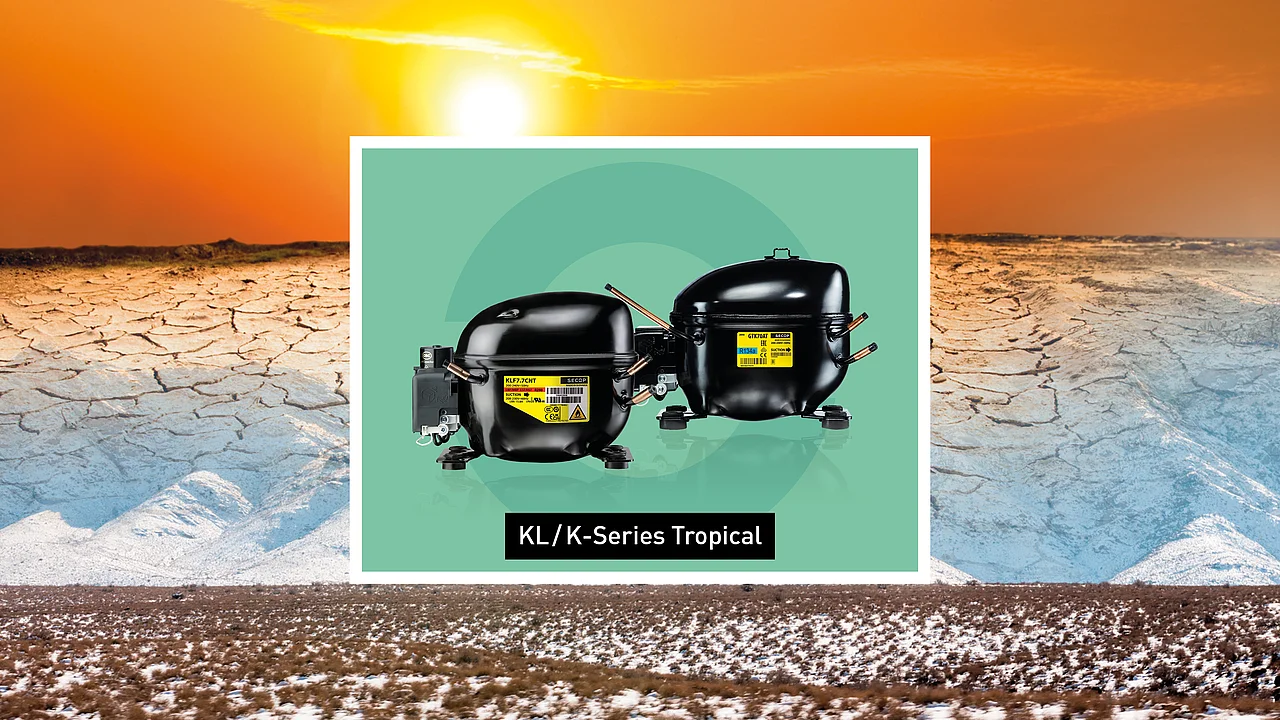
Secop tropical compressors feature a wide operating voltage range and the capability to start under low-voltage conditions – without reverse rotation or stalling – providing an exceptional solution for demanding environments. They are specifically designed for regions with challenging conditions, where voltage fluctuations and high ambient temperatures must be taken into account.

Secop has consistently delivered outstanding compressor solutions for harsh environments characterized by high ambient temperatures and fluctuating voltages. At Secop, we focus on a wide range of innovative tropical compressors for R600a and R290.

The strong level of mutual trust we have built with highly qualified local agents and distributors is just as standards-setting as our products. These local partners work closely with Secop sales managers to form a highly competent team dedicated to meeting customer requirements. This collaboration is further strengthened by skilled engineers assigned to the region, ensuring the highest compressor quality and reliability even in harsh and demanding environments.

Contents:

Data Sheets

Selected data sheets for Secop tropical KL-, K-, and N-Series compressors are provided below. Data sheets for other models can be found using our Product Selector by entering the letters “FT” in the Type designation column.

Cabinet Optimization

One of the most vital elements of compressor technology is the cabinet. Secop is continuously searching for improved solutions and ensures global support in order to provide optimal reliability and high efficiency. Secop compressor components are subject to stringent testing. However it is important to point out that all components require caution with regard to handling and application.

Evaporator, Condenser, and Accumulator

For successful evaporation, we recommend taking note of the following issues:

  • Large evaporator area
  • Sufficient air ventilation
  • In case of capacity problems in the freezing compartment of double door cabinets use the O type instead of C type
  • Optimal channel cross sections depending on  refrigerant type and compressor capacity

Always use the largest possible condenser size with the best air ventilation. Appropriate tube dimension is necessary in order to avoid a drop in pressure or too much refrigerant charge. When using the accumulator, be aware that the size and shape has to be adapted for the different refrigerants.

Internal Heat exchanger for Capillary Tube

Always use an internal heat exchanger. The capillary dimensions should be determined depending on:

  • Refrigerant type
  • Compressor size
  • Application

Charge Determination, Optimal Compressor Size and Thermostat Values

The right amount of charge is the premise for ensuring low consumption and high efficiency. Compressor size is just as important as charge determination. The rule is simple: compressors should be as small as possible. Too much capacity can lead to increased energy consumption. In order to establish efficient conditions smaller, compressors should run at:

  • Possible high evaporation temperature t0
  • Possible low power condensing temperature tC

Variable capacity compressors such as the Secop NLV or SLVE compressors can increase system efficiency. Please be advised that too small capacity can lead to insufficient cabinet temperatures at extreme conditions. 
The thermostat influences compressor running time and as a result it also influences the average condition (pressure) and energy consumption. The rule of thumb for fixed speed compressors is that long compressor run times lead to low average evaporation temperatures and too much energy consumption.

Avoid Electrical Heating

It is important at all times to avoid electrical heating:

  • Anti-condensation heaters should be an extension of the condenser tube
  • Insulation thickness and the proper placement of frame heaters (anti-condensation heater) can avoid sweating
  • Double-door evaporators should be designed to prevent a geyser-effect from occurring. Placing a heater on a refrigerator evaporator plate is not required
  • Secop can provide support for evaporator designs

Equal and Sufficient Insulation, Door Gap Design, and Gaskets

In order to maintain equal and sufficient insulation, please avoid thermal bridges and be sure to have sufficient sealing gaskets and door labyrinths (door gaps). 
Please notice that doors with gaskets are a general weak point in heat transfer. A sufficient door labyrinth, though, will support the gasket. Secop can provide support for new labyrinth (door gaps) designs. Furthermore, gaskets have to be designed so as to minimise heat transfer. This can be done with different chambers, sufficient overlay, especially at corner sections, and a flat front on the appliance housing.

Conversion to Hydrocarbon Refrigerants

One of the best ways to reduce the environmental impact of ozone-depleting emissions is to convert to a refrigerant with a significantly lower ozone-depleting potential. Refrigerant R600a and R290 are possible replacements. They have both zero ozone depletion potential (ODP) and negligible global warming potential (GWP). When planning refrigerant conversion, it is important to make sure that the new refrigerant is compatible with all system materials and components, including design, size and safety standards, as each refrigerant type is different in: Pressure / Density / Enthalpy / Heat / Viscosity

Design Parameters

Conversion to different refrigerant types demands different design parameters. The evaporator for R600a (household) requires a certain tube cross section (25 to 30 mm²). Moreover, the rising tubes can require smaller tubes. The condenser requires a tube diameter that must not increase compared to R134a. The flow rate of the capillary tube for the R600a refrigerant should be increased about 40-60 % compared to R134a. Last but not least, the amount of R600a charge must typically be less than half that of R134a. Regarding the drier, the molecular sieve must be compatible. Same appliances must have the same cooling capacity. This will lead to higher compressor stroke volume for a R600a compressor.

The liquid density of R600a and R290 is at a similar level, but the gas pressure (and therefore the gas density) of R290 is significantly higher than that of R600a. Consequently, we can estimate that the R290 refrigerant charge would need to be slightly higher than a perfect R600a charge (assuming, of course, that the evaporator and condenser remain unchanged). 
The liquid density of R134a is almost twice as high as that of R600a or R290. Therefore, to achieve the same proportion of liquid and gas in the heat exchangers, we only need about 60% of the R134a refrigerant mass when using R600a or R290.

RefrigerantCompressorCapacity (ASHRAE LBP)Displacement
R134aGTK70AT205 W6.64 cm³
NL6.1FT156 W6.13 cm³
R600aHXK12AT200 W11.12 cm³
HXK87AT154 W8.80 cm³
R290KL4.8CNT229 W 4.80 cm³
KL4.0CNT189 W 4.00 cm³
Compressor Size 
R290 Propane R600a  Isobutane
Capacities similar to R22/R404ACapacities similar to R134a
177 W to 1331 W (ASHRAE LBP, Secop's current complete portfolio)38 W to 259 W (ASHRAE LBP, Secop's current complete portfolio)
Pressure ~ R22 Pressure ~ 1/2 R134a
Roll bond not possible Roll bond possible 
Practical Benchmarks

If you are designing a system for maximum efficiency in a household appliance, R600a is ideal despite needing a compressor with a larger displacement. For commercial applications requiring high cooling loads from a compact compressor, R290 is the superior choice. R134a sits in the middle physically but is environmentally obsolete compared to the hydrocarbons.

Safety

Standards and Basic Rules

To minimise hazards and maximize a safe working environment, the following data must be taken into account: 

  • Up to 150 g flammable refrigerant
  • IEC 60 335-2-24  (household refrigerated appliances)
  • IEC 60 335-2-89 (commercial refrigerated appliances and ice machines)

It is important to follow a basic sequence of safety-related rules and considerations in order to make the correct decision. First all, it is important to separate the gas and ignition sources and to have:

  • Separated compartments
  • Separation layers (e.g. double layer “safety roll bond“)
Burst Pressure and Leak Simulation

It is essential to avoid any kind of burst in pressure:

  • Evaporator: R600a ≥ 25 bar; R290 ≥ 38 bar
  • Condenser: R600a ≥ 35 bar; R290 ≥ 89 bar

A leak simulation test according to international standards must be conducted.

Warning Symbols
  • ISO standard symbol visible for service technician
  • R600a (isobutane) and R290 (propane) are hydrocarbons. Hydrocarbon refrigerants are flammable
  • Secop compressors that use flammable refrigerants R600a and R290 are equipped with a yellow warning label

Cabinet Design

Electrical Connectors
  • Tight tolerances
  • Sufficient contact force
Lamp Holders
  • Sufficient contact force
  • Rotation angle
  • Sufficient lamp socket contact
  • Other quality requirements
Heater

Special heater test

Thermostats
  • Connector quality; tolerances; contact force
  • Thermostat with sealed contacts
Fans
  • Fan IP 20
  • Temperature limit
  • Sealed switch
Starting Equipment
  • Start relay has to be gas tight
  • Connectors with certain quality (tolerances contact force)

Evaporator Design Options

Conventional Evaporator Inside Compartment
  • Thermostat outside on top, or safety thermostat with sealed contacts, or electronic thermostat
  • Door switch outside on top, or safety switch
  • Conventional light outside
  • Standard roll bond
Safety Evaporator Inside Compartment
  • Safety Roll-Bond w/o welding inside
  • Standard thermostat, light and switch can be inside
Evaporator Outside Compartment (hidden)

Standard thermostat, light and switch can be inside

Reliability and Performance

Reliability is everybody’s major concern in refrigeration applications along with the level of performance. In order to meet these two requirements, Secop has engineered a step-by-step-procedure for ensuring products and solutions continue to set a global standard.

Step 1

Application Analysis 

A new compressor model always starts out with a thorough check of functionalities and performance.

  • Defining performance targets
  • Running special operation tests with regard to cooling cabinets
  • Drawing information about measurements and needed operation range

Step 2

Definition of Compressor Specifications

Using an application analysis, Secop creates a CRD (Customer Requirements Document) for the new compressor type. The CRD summarises all demands which the compressor has to fulfil.

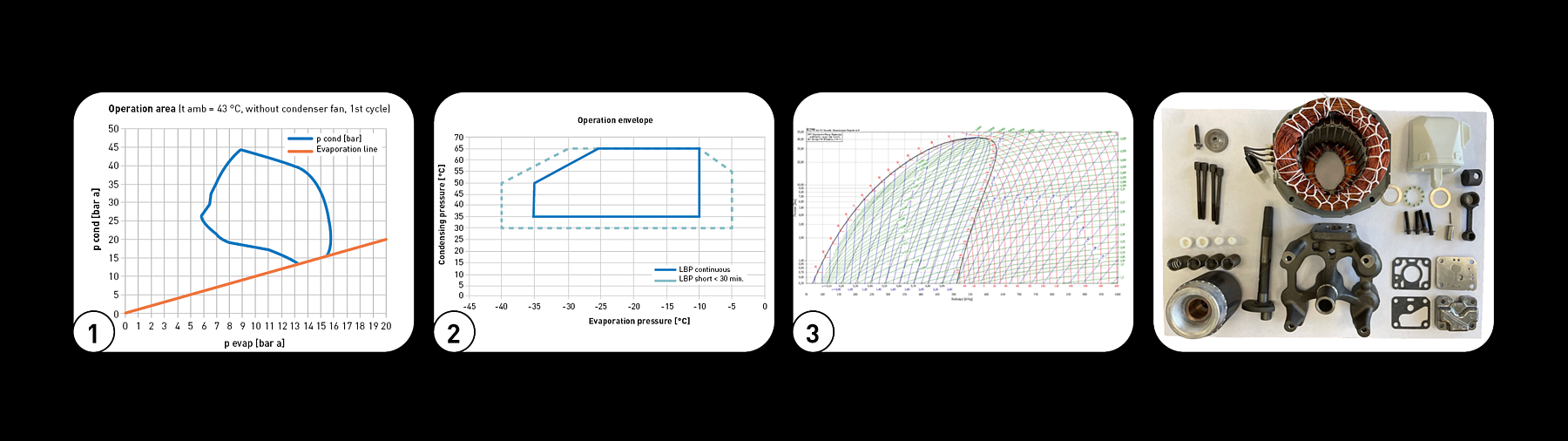
  • Operation envelope (ranges of voltage, pressures, temperature)
  • Cooling performance (capacity, energy efficiency, start, stall)
  • Noise performance (noise, vibration, pulsation)
  • Reliability demands and special functions

Different market needs can lead to special variants of a CRD (e.g. “normal use” and “special use”). The CRD covers all possible variables involved in using the compressor.

Step 3

Performance Tests, Targets, and Evaluations 

The Secop R&D team set up performance tests, targets and evaluations according to CRD definitions,

  • Extreme load conditions: winding temperature, protector function, motor load
  • Optimisation conditions: cooling capacity, energy efficiency, noise
  • Pull down and start: maximum pressures, minimum voltage, reverse rotation
  • Overload situation: fan out failure - maximum pressures
  • Transportation: wear, particles, etc.

Before a prototype is released, all details and designs must be measured and documented. All tests are run inside Secop and according to Secop test specifications (1 and 2).

Step 4

Reliability Tests and Evaluation of Results

Based on various extreme operation conditions and linked impact time, specialists define conditions for the reliability tests. All reliability tests are accelerated tests and coincide with the refrigerant.
Secop´s  reliability tests are conducted to visualise behaviour of wear and fatigue of compressor components after a “working life” of 15 years.
All reliability tests are run, analysed and documented according to Secop specifications and in Secop laboratories (3).

Step 5

Release of a New Compressor Type

Prior to the release of a new compressor type, Secop run final release tests with pilot series compressors.
This extensive step-by-step procedure ensures the reliability and high performance synonymous with Secop compressors.

Reliability and Performance

Pertains in particular to the Middle East, South Asia and Africa. Ranges of target values or boundary conditions can be different but the testing, which examines reliability and performance, always follows the same rules. This ensures that the quality of Secop compressors is always of the highest level, regardless of the application or operation environment.

Special Boundary Conditions

Compressors and unstable power sources are a challenge. In order to ensure the best conditions, please note the following:

  • Start at very low voltage up to very high voltage must be possible
  • Short time (<30 min) operation at very high voltage must be possible
  • Fast restart after power source blackout must be possible
  • Reverse rotation after power source brownout must be avoided or possible
  • Operation at very high ambient temperatures and extreme voltages must be possible

Boundary conditions, as described above, will be linked to the application-related compressor demands. Unique compressors can be produced if the exact specifications are known.

Laboratory Tests

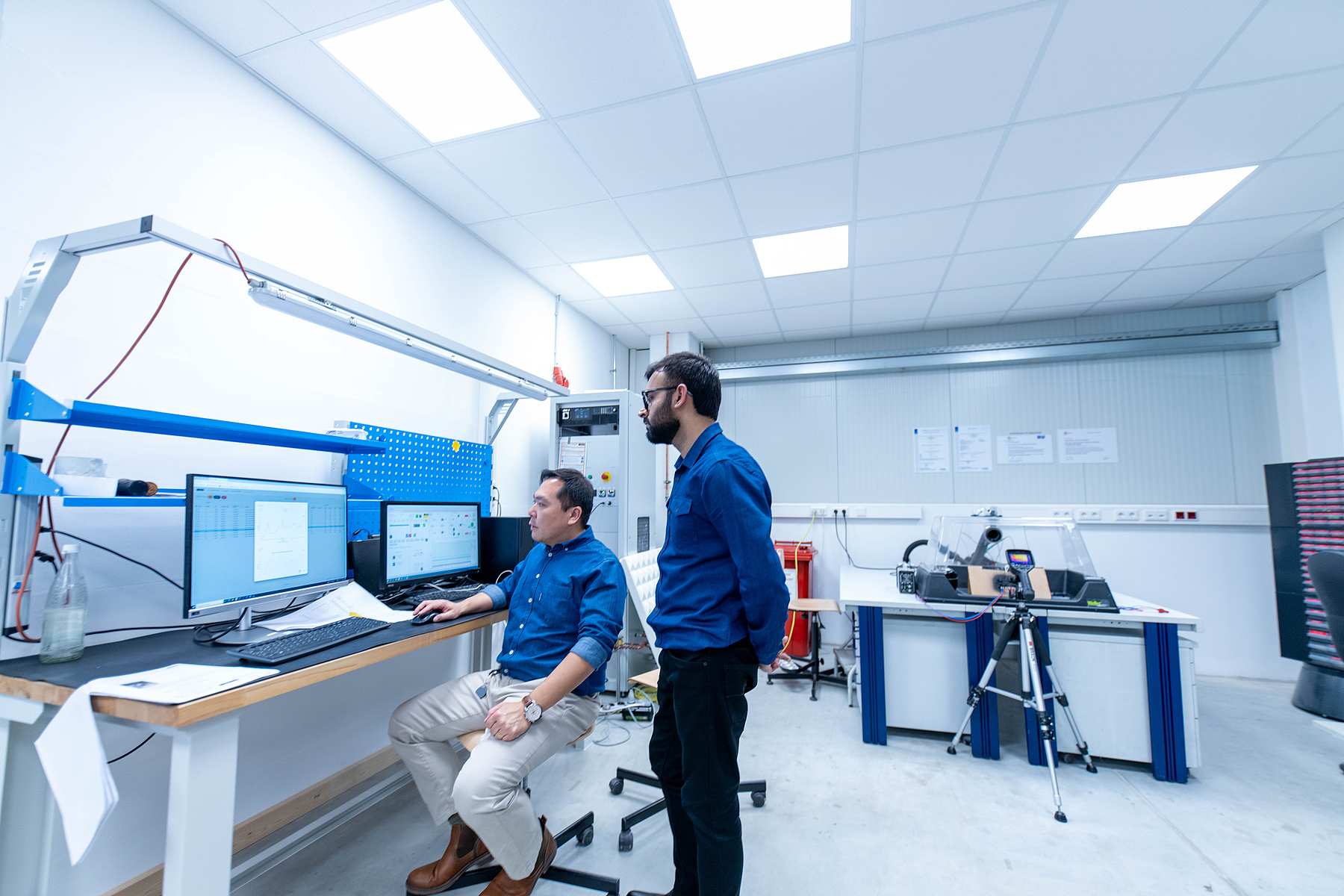
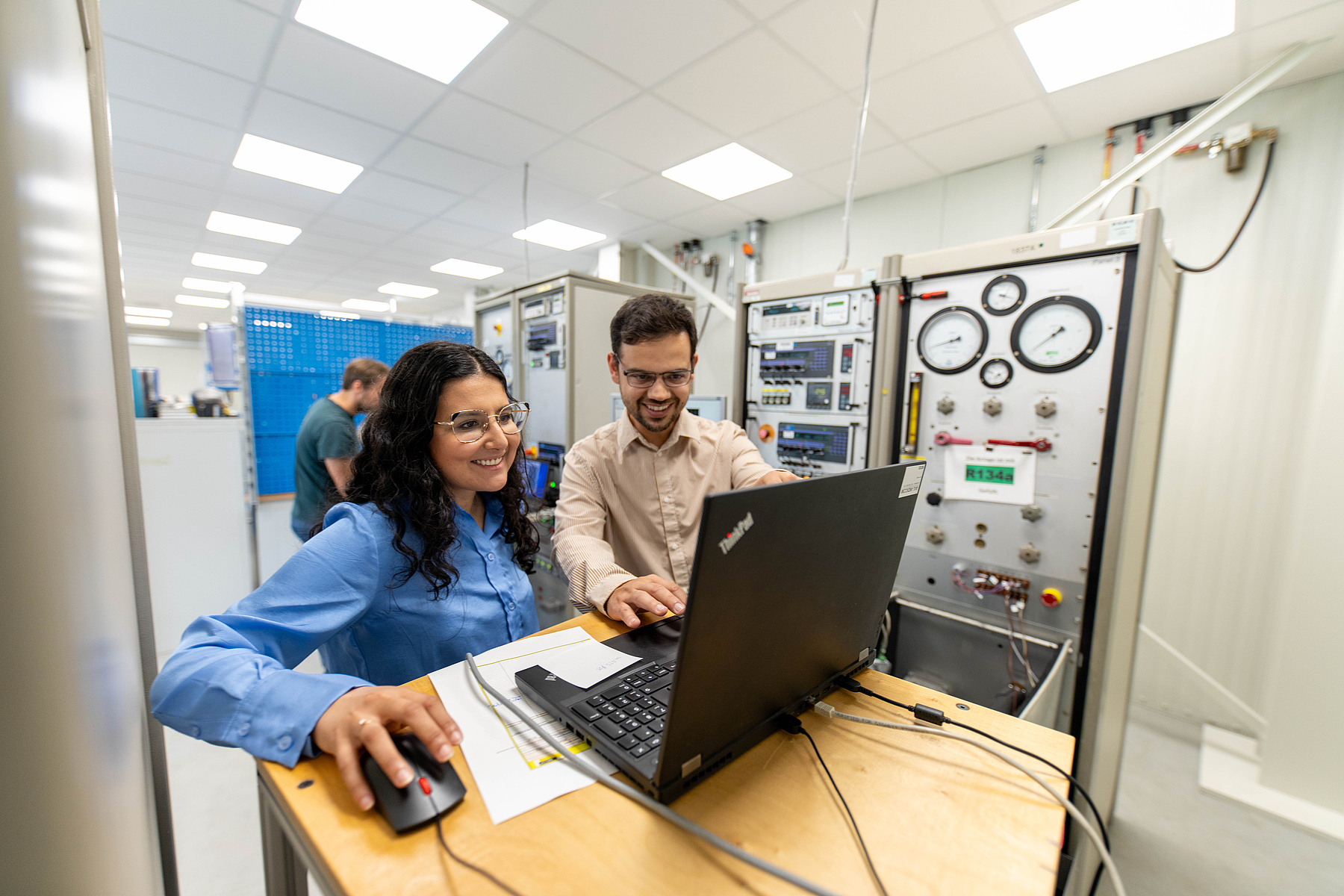
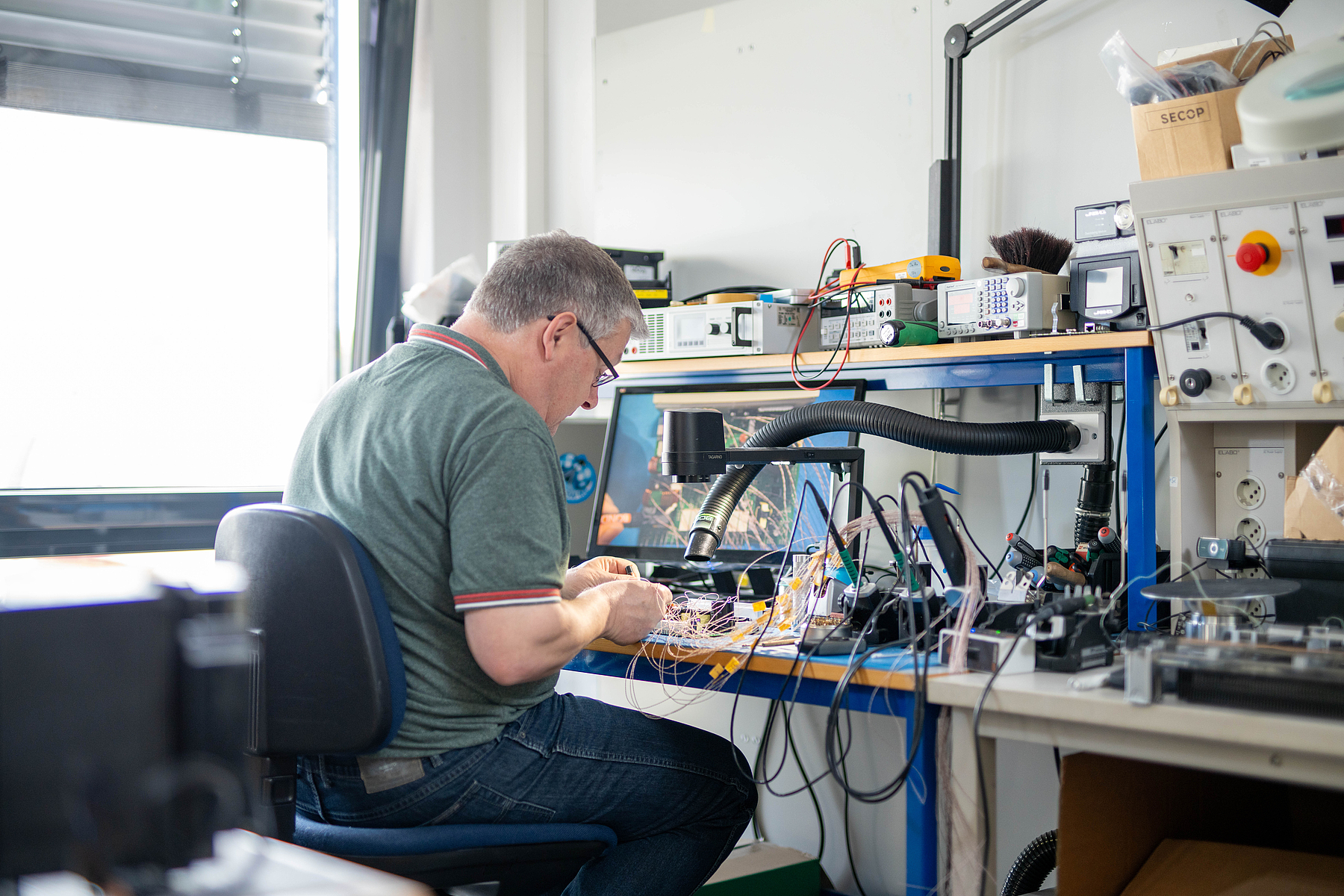
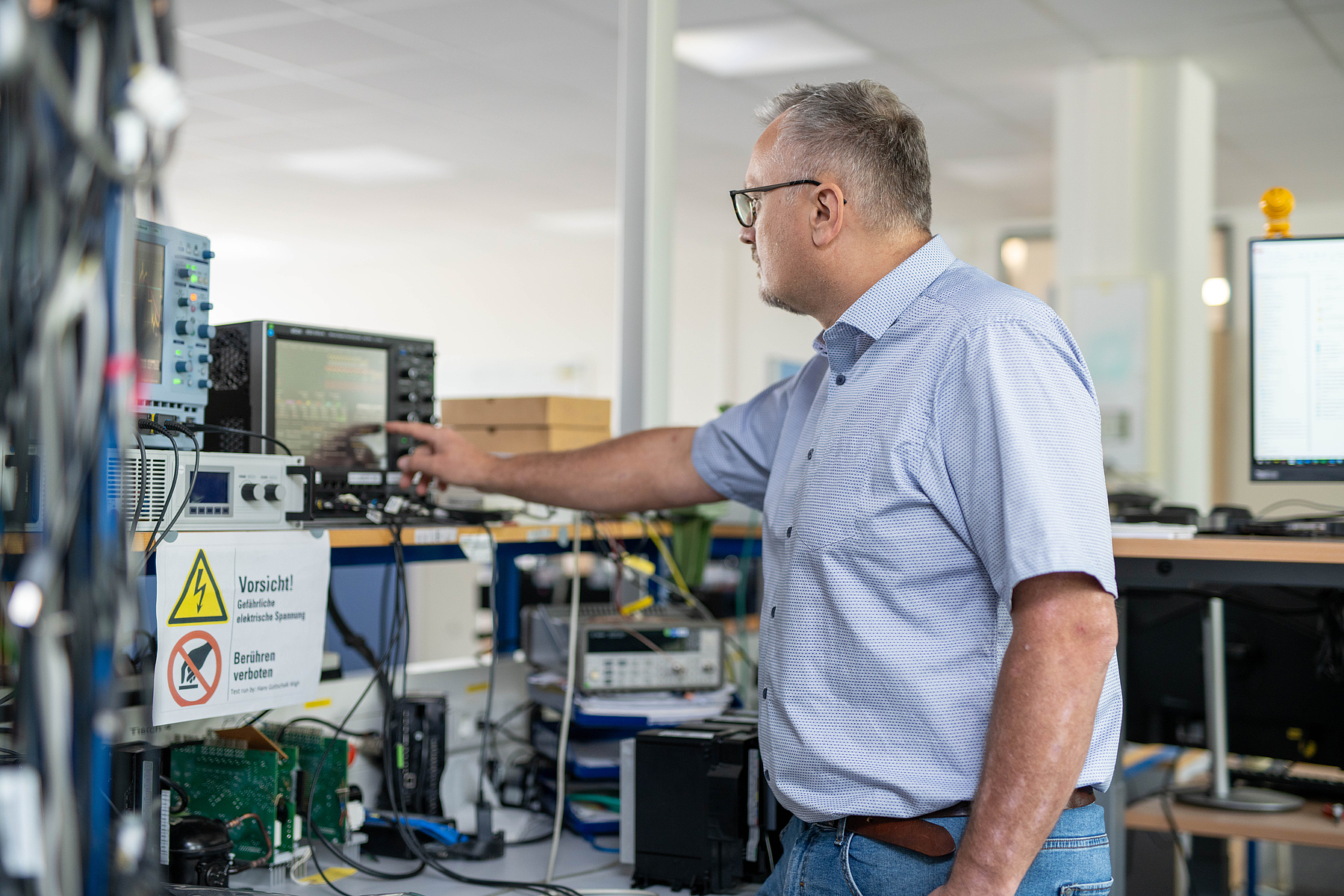
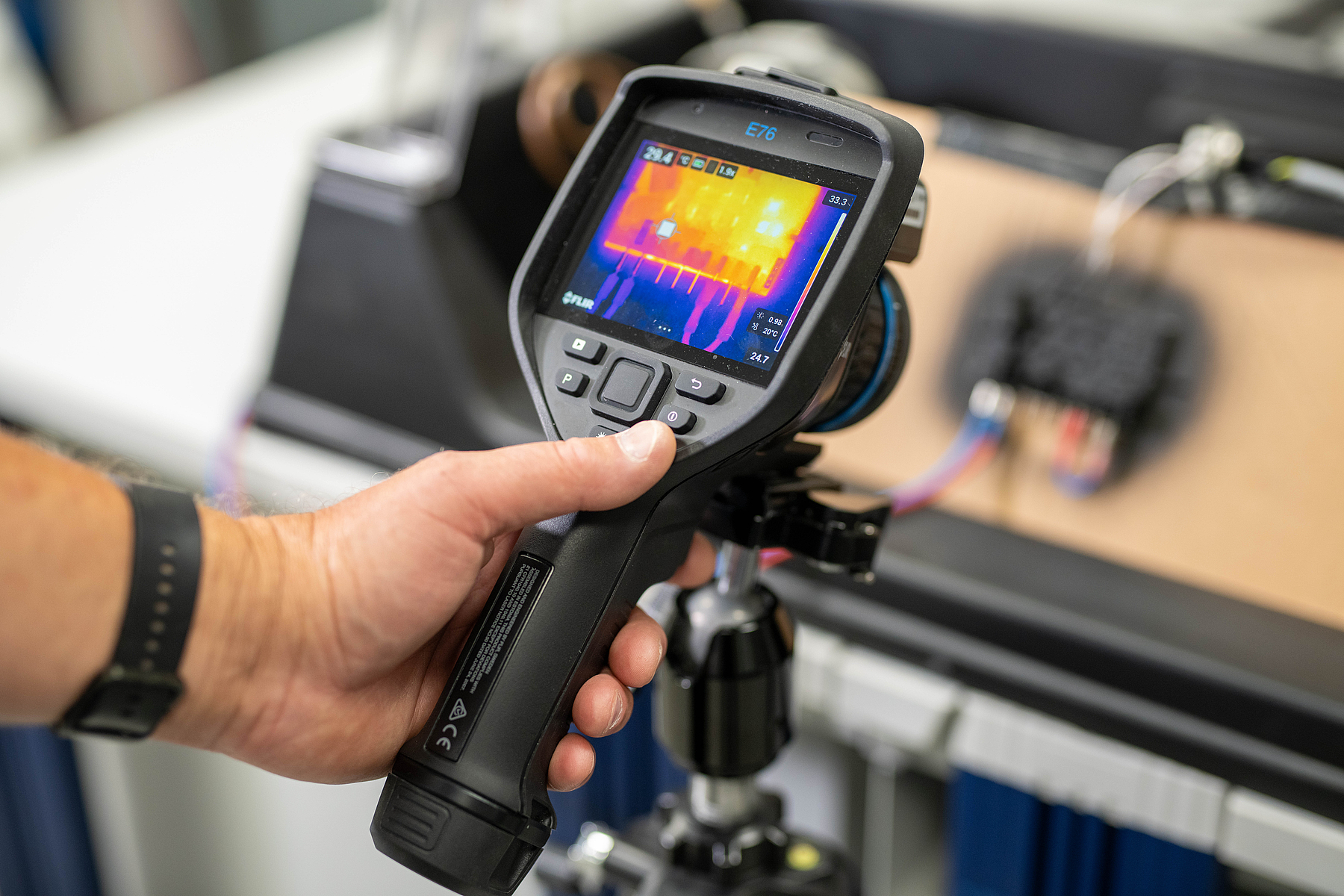
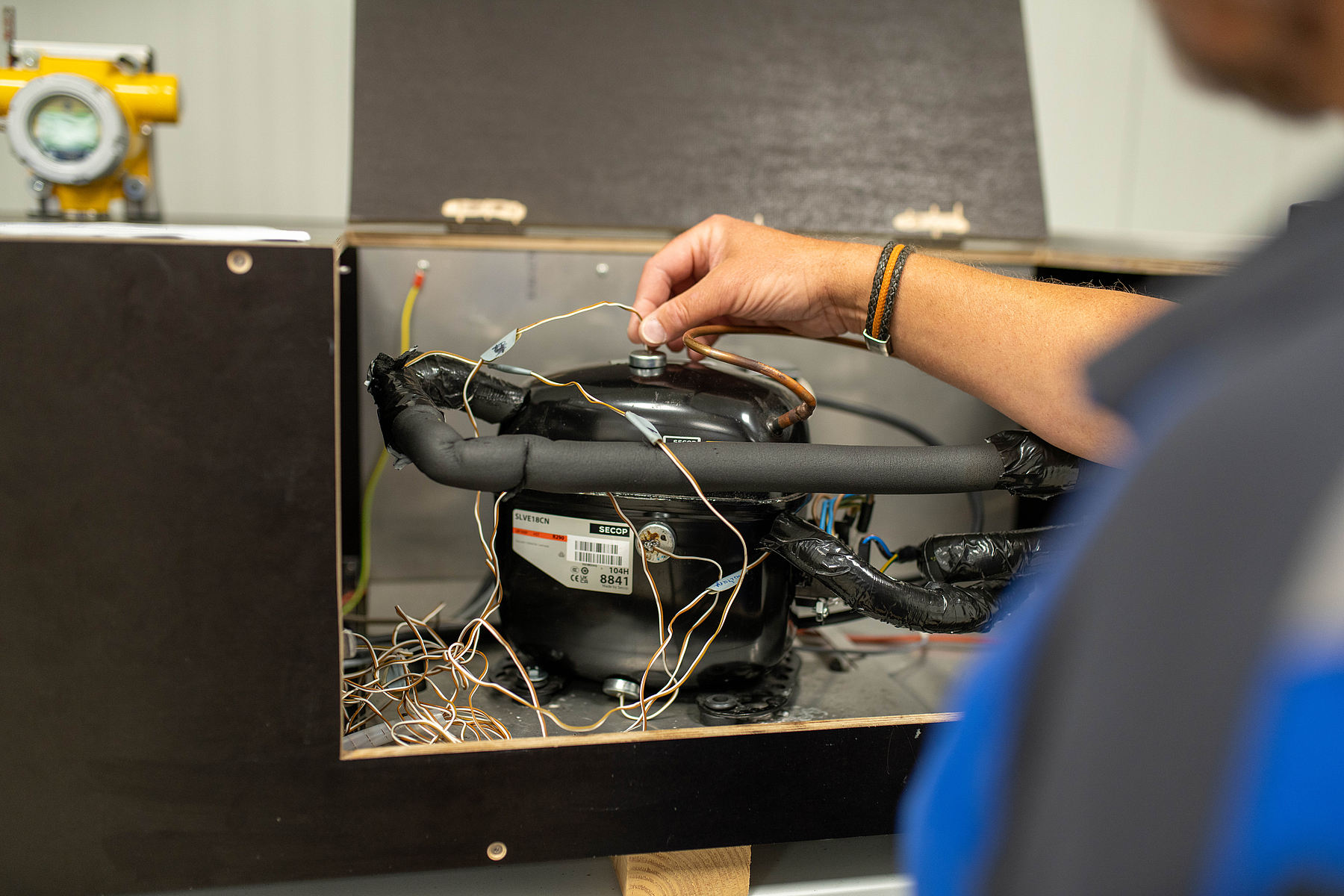
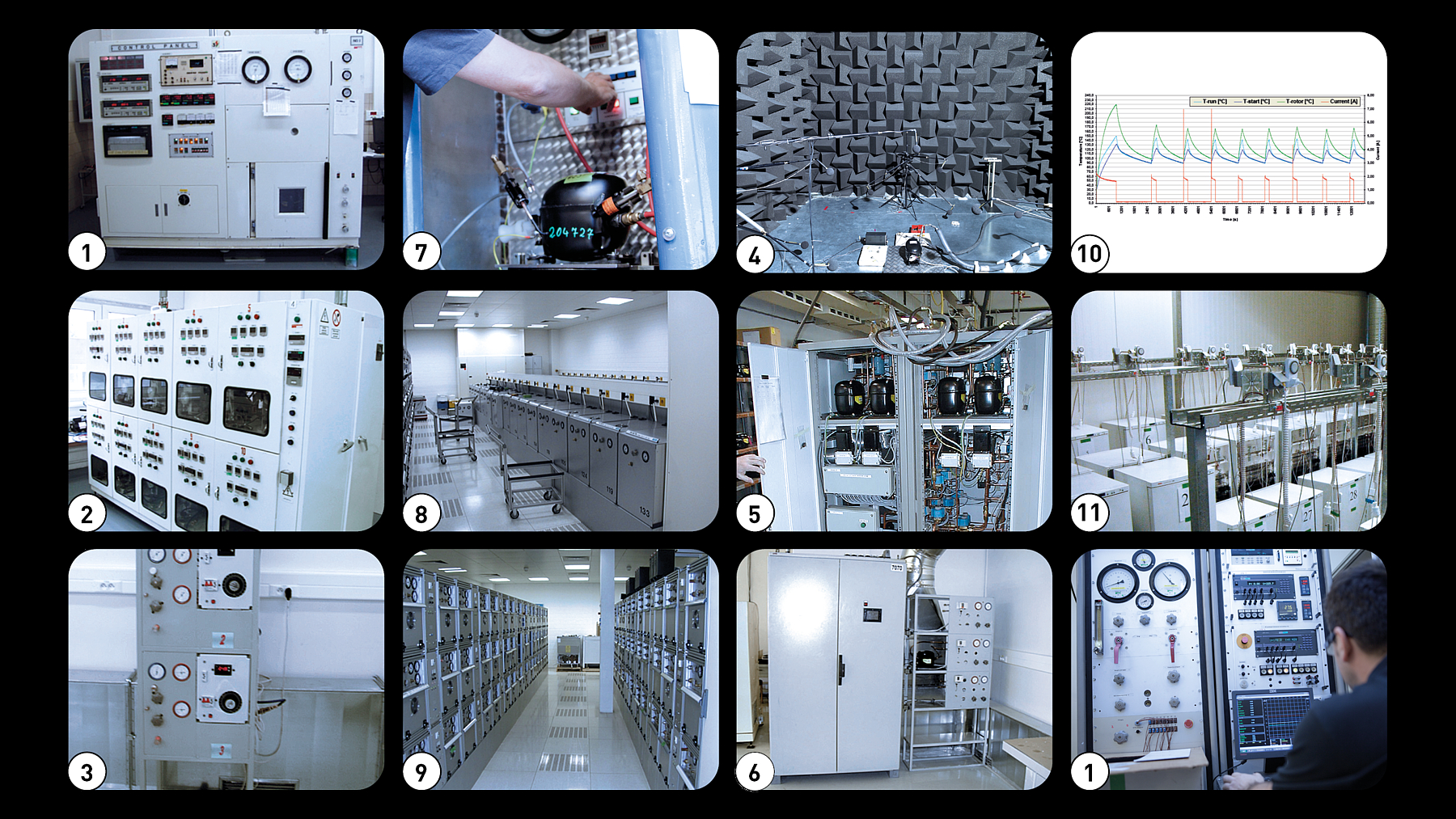
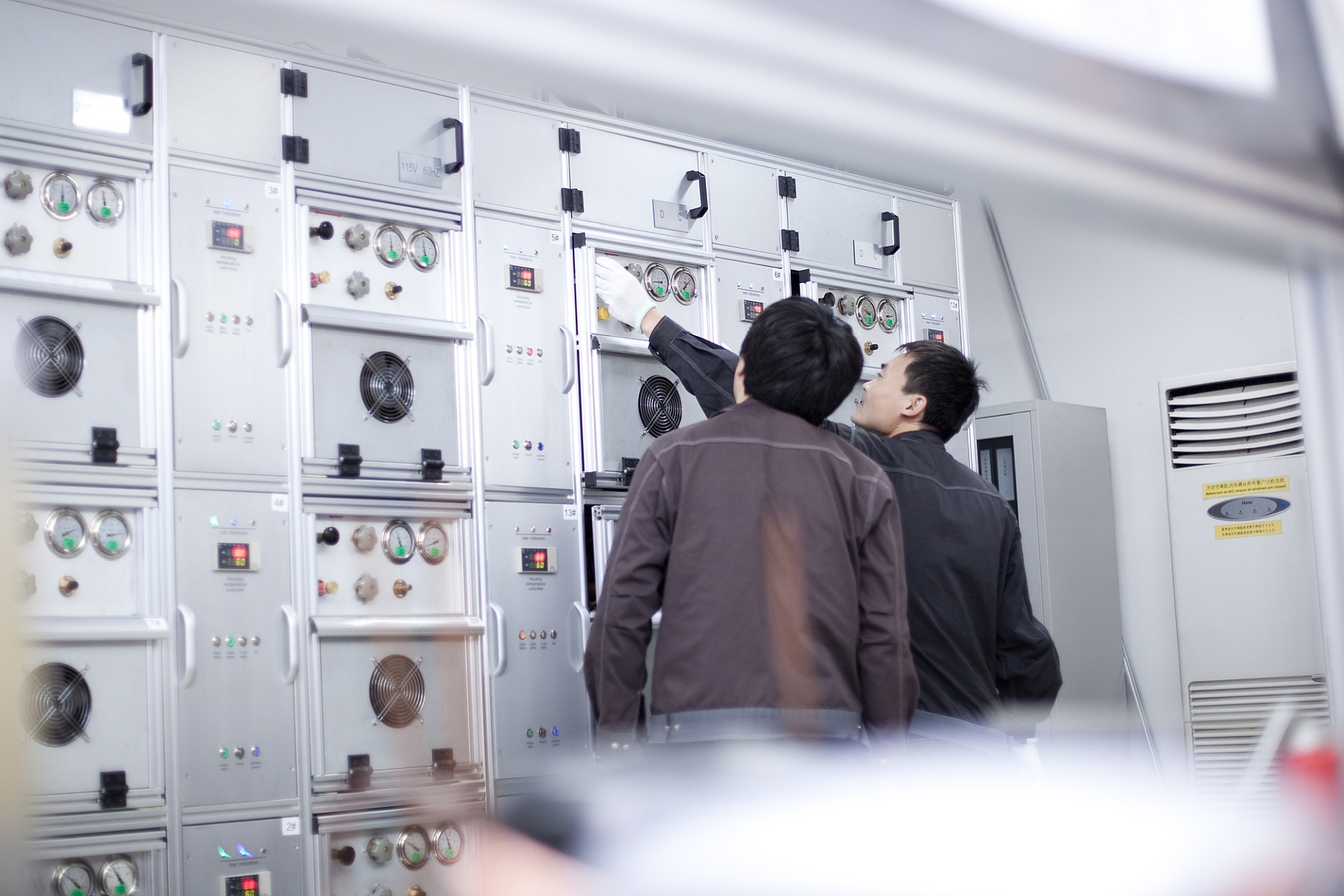
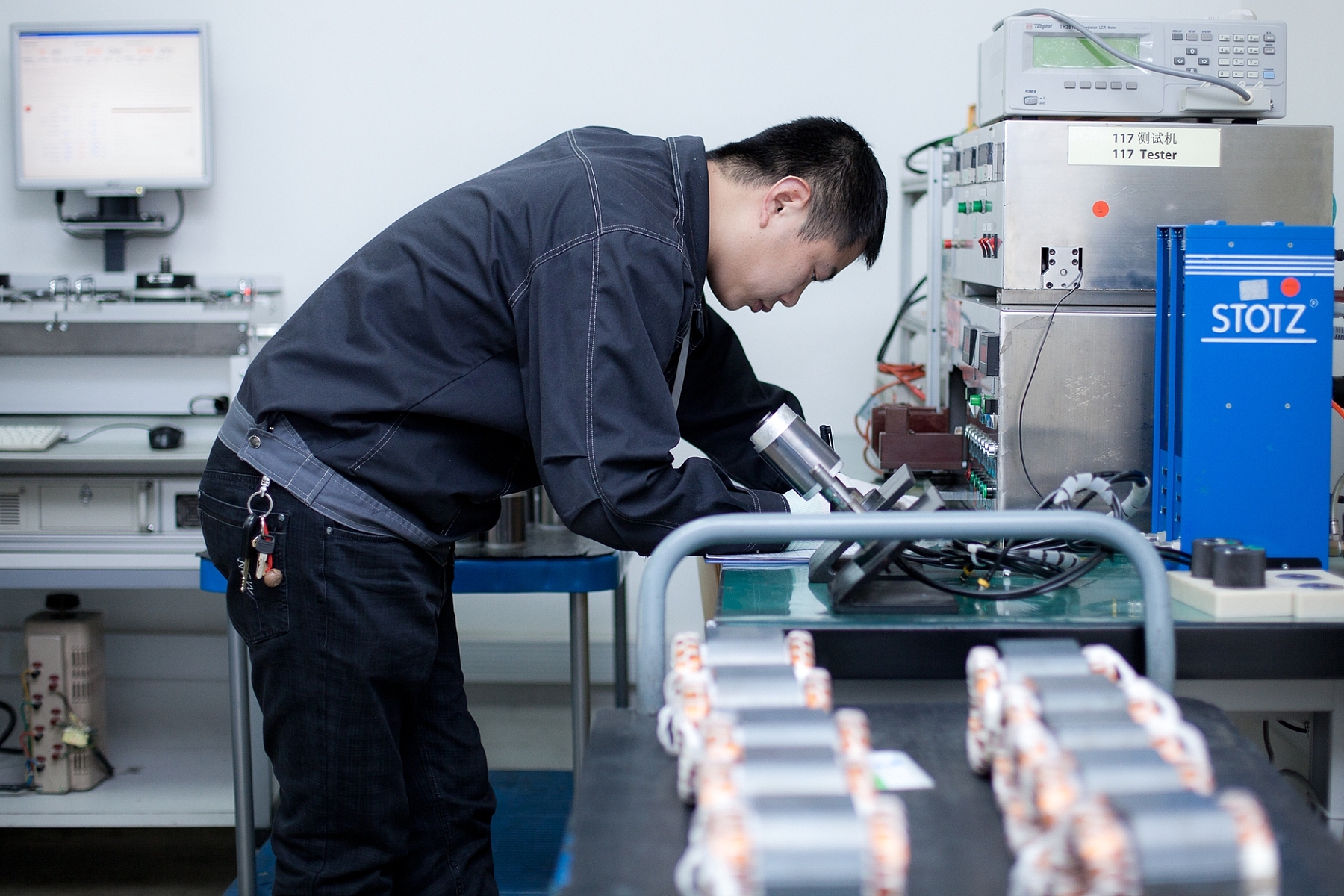
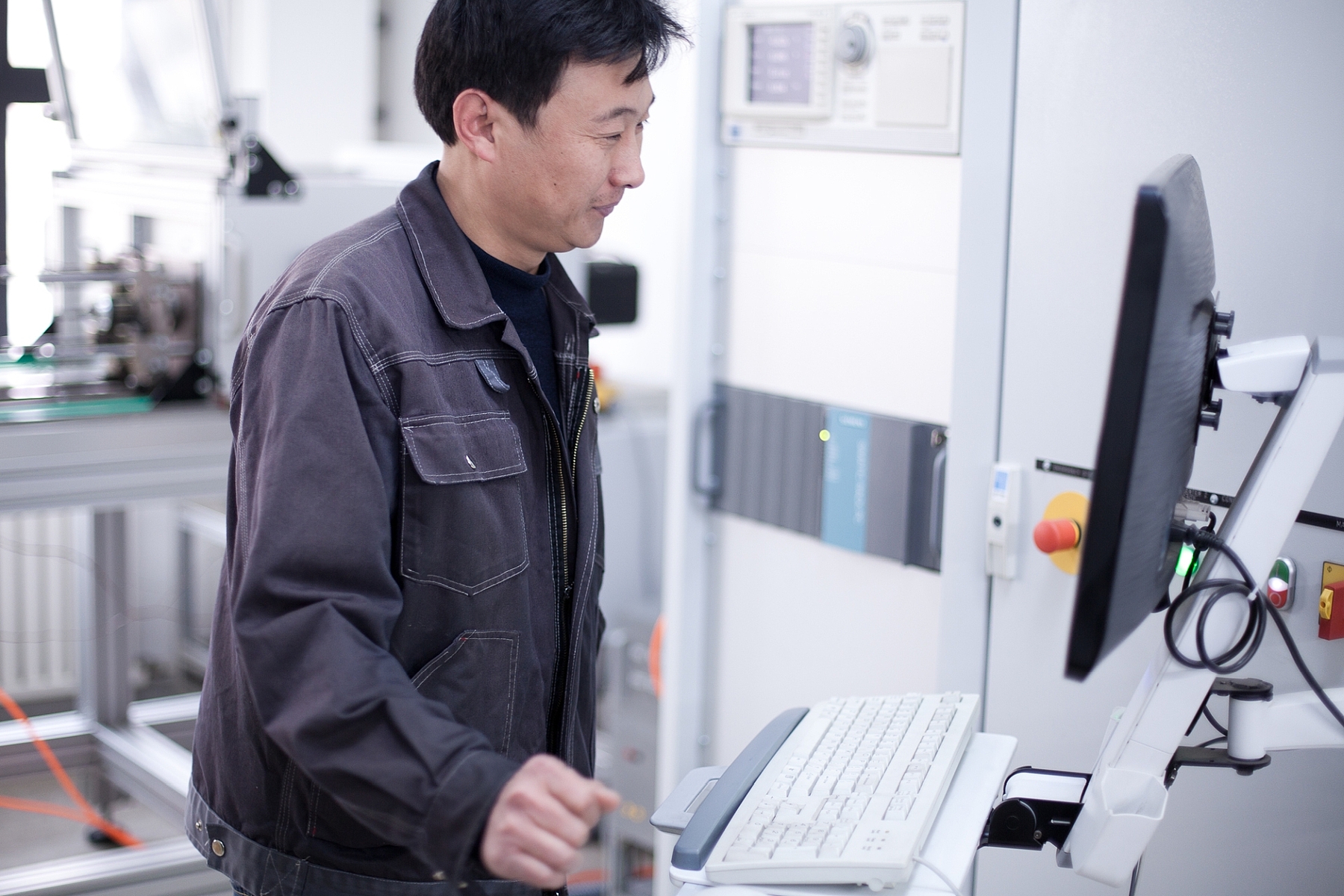
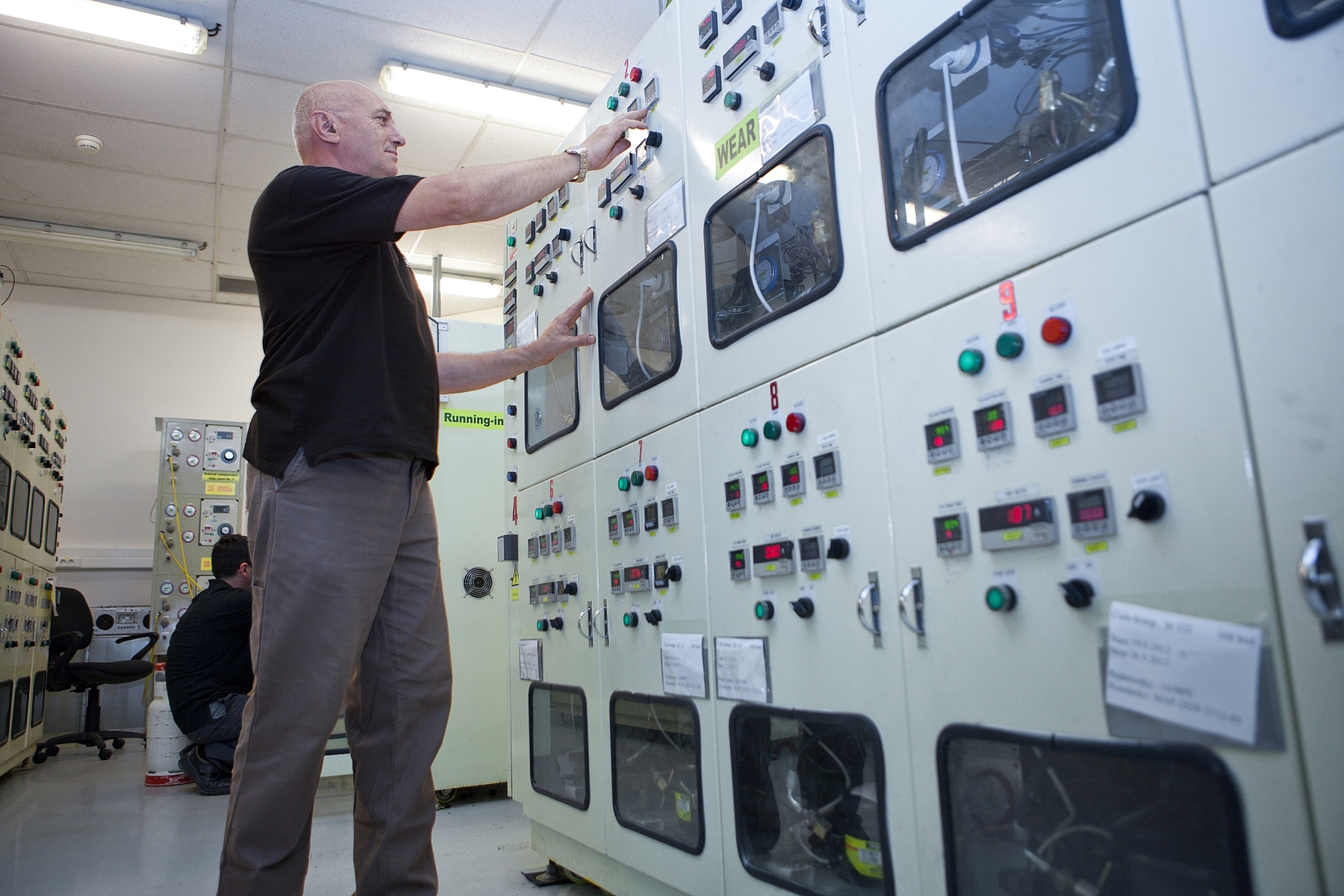
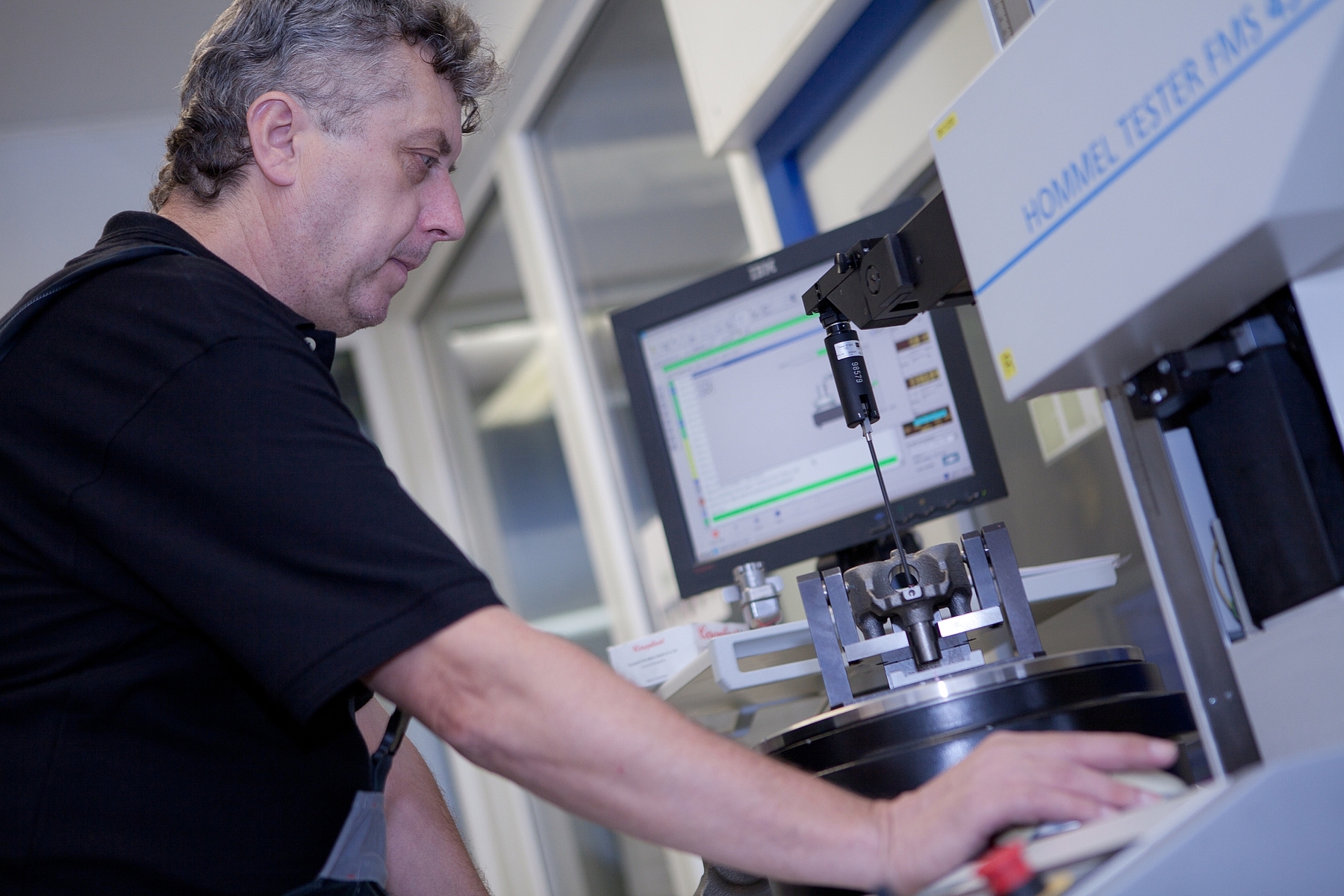
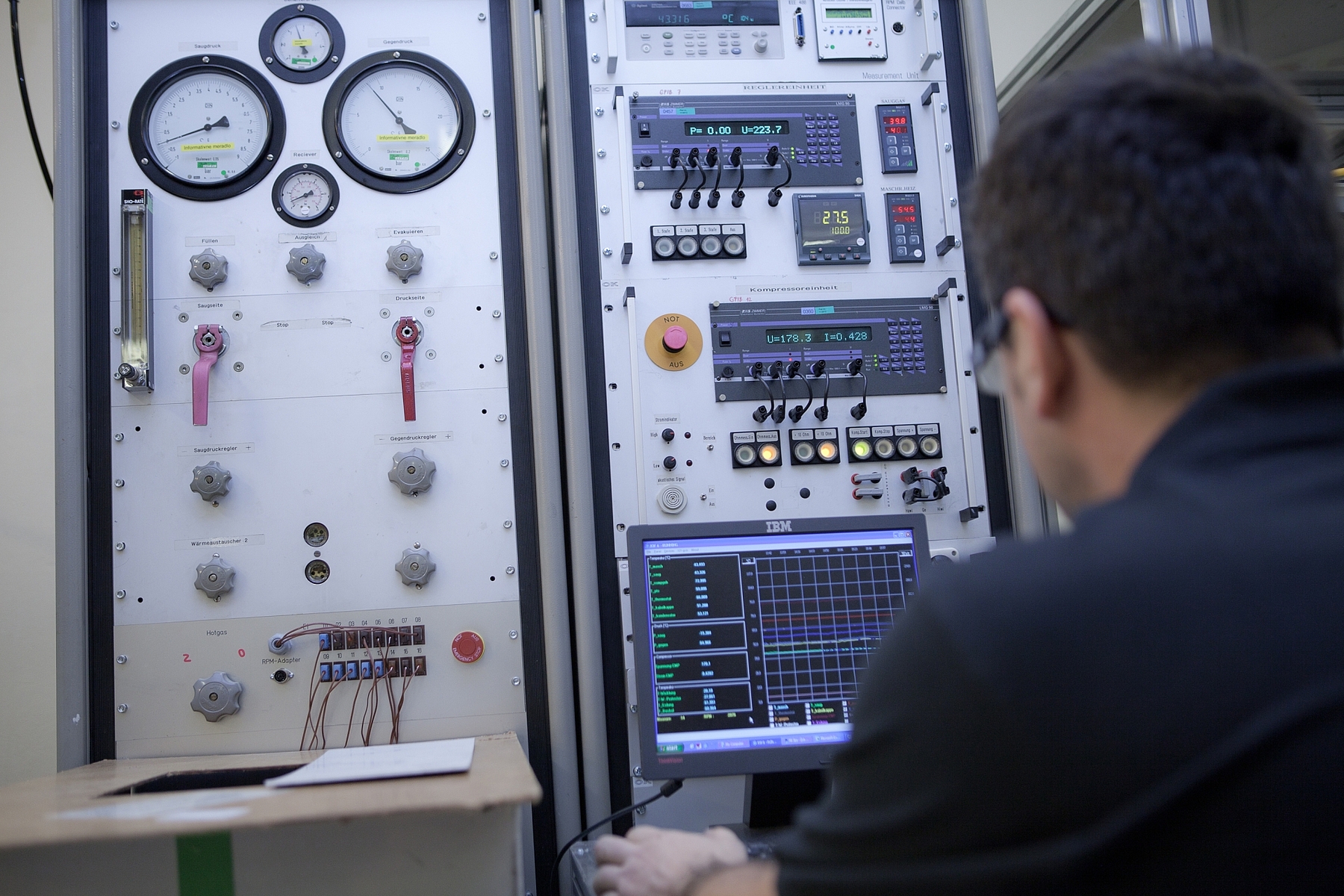
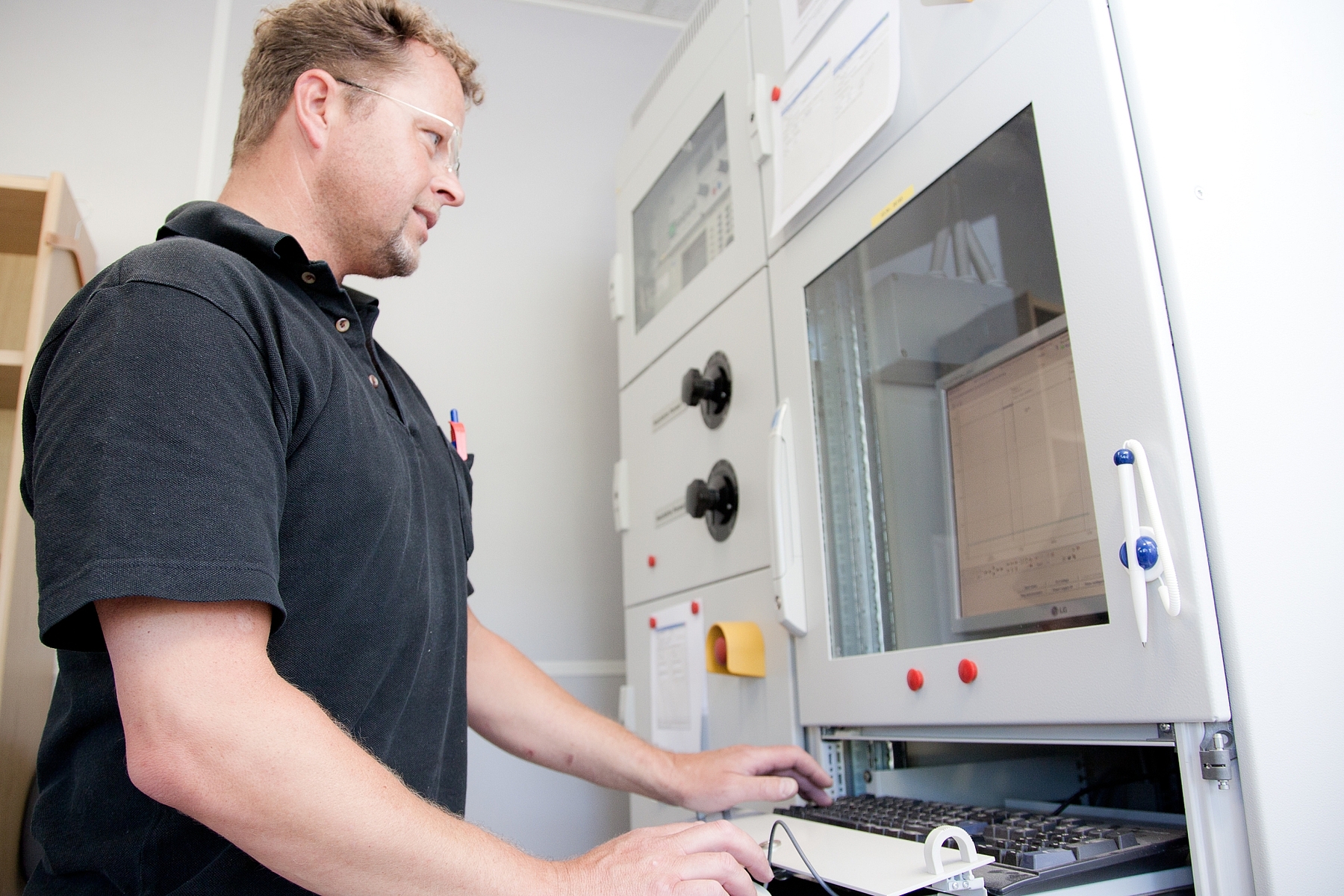
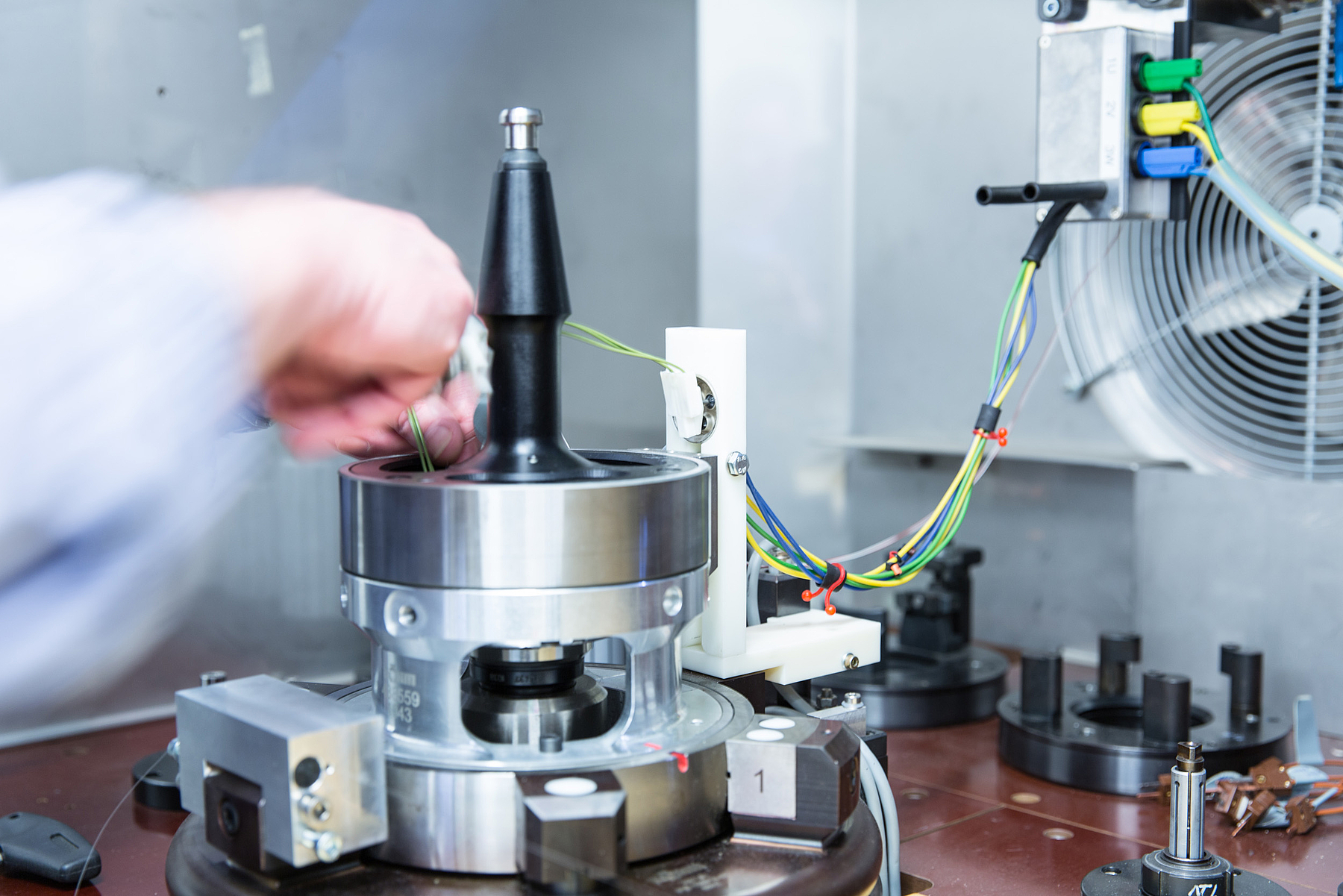
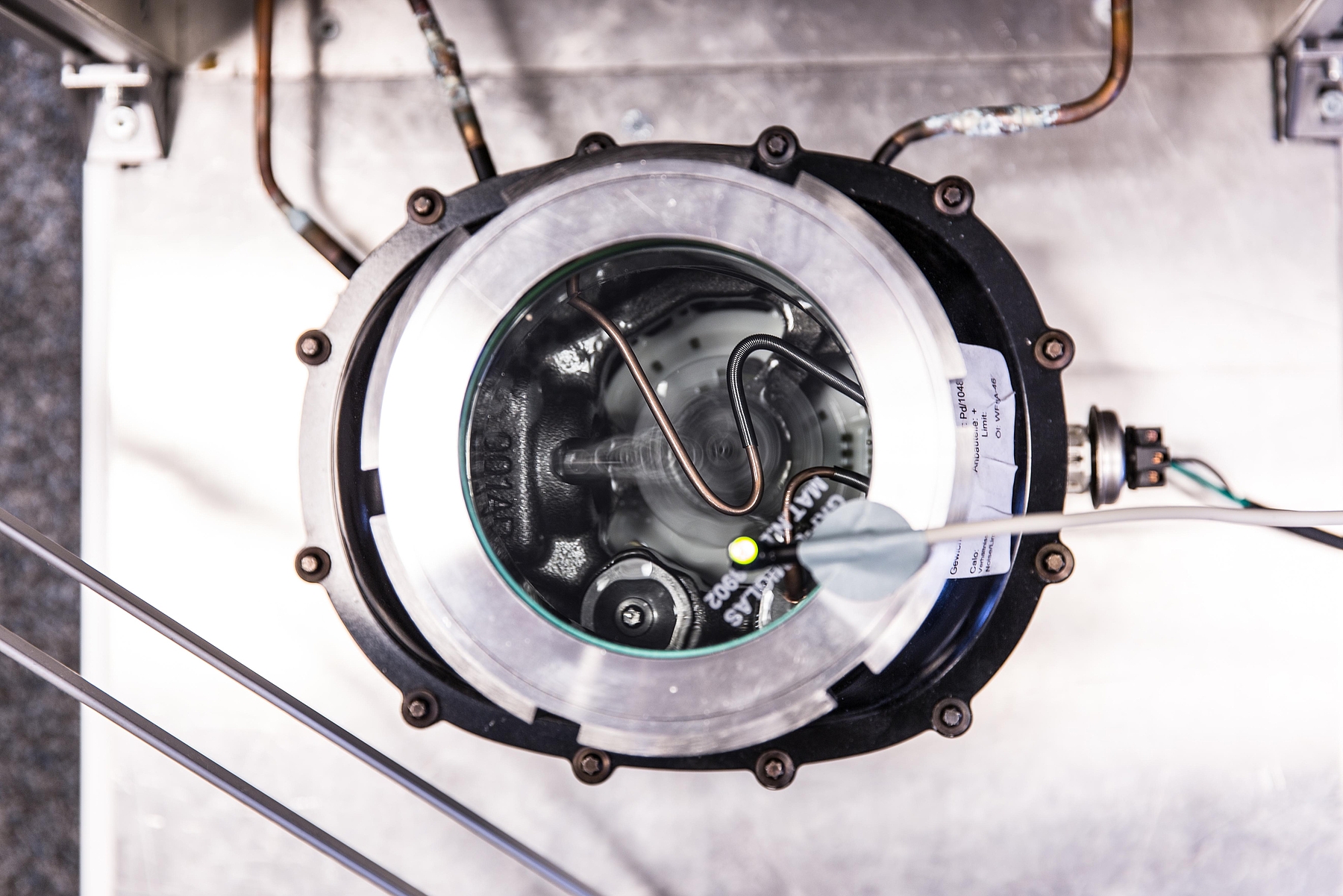
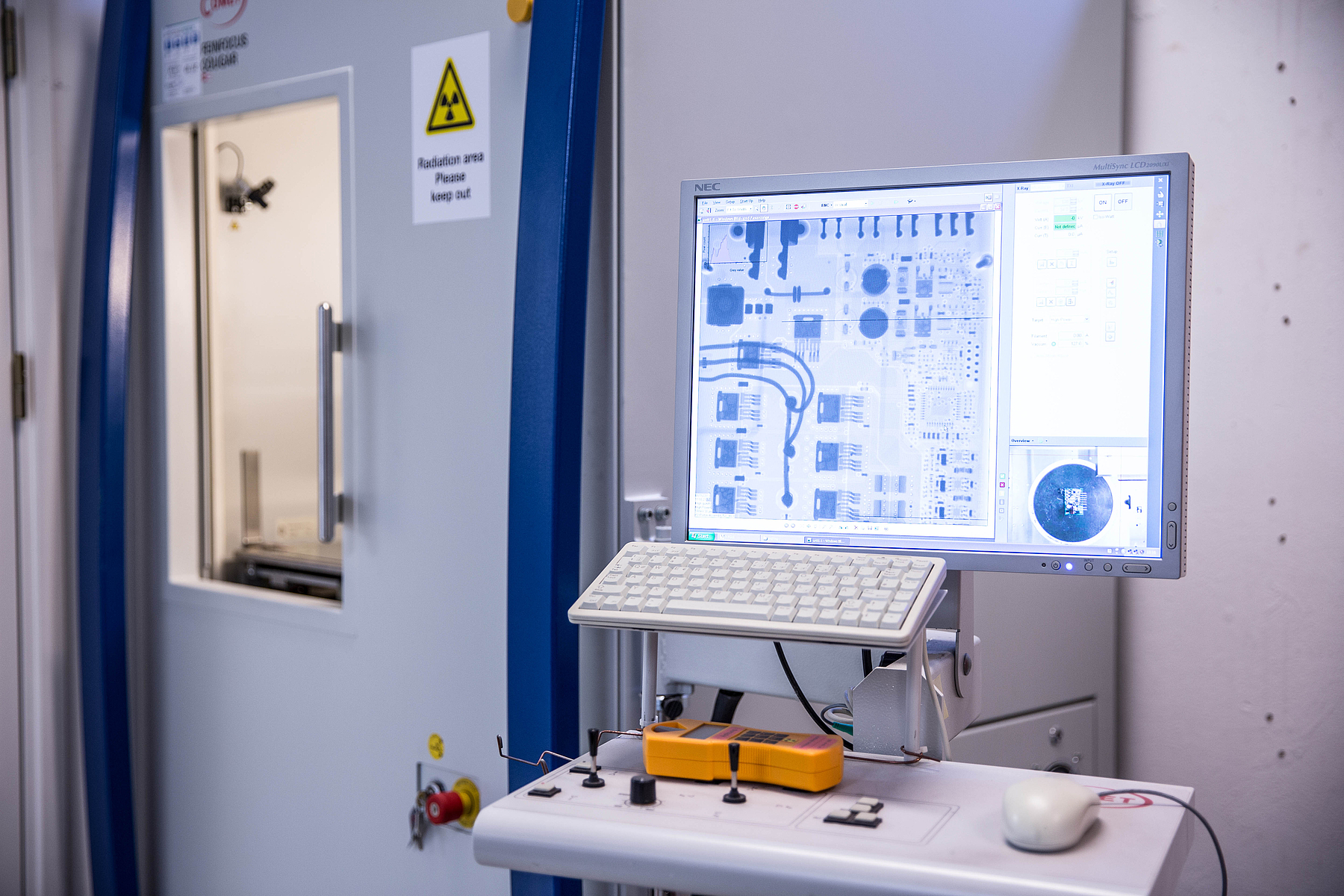
As a global partner, Secop stands firmly behind its products, helping customers enhance their own solutions while ensuring quality through fast and professional after-sales service. In addition, Secop provides unique application support that assists customers with design and optimization through testing conducted in application laboratories around the world. Countless testing is the key to the performance and reliability of Secop compressors. Below is an overview of our tools and processes. This is complemented by flexible customer support that enables efficient and effortless service at all times.

  • Calorimeter: To determine capacity, consumption, efficiency-factor (COP, EER) and temperature condition (1).
  • Running-in panels: To obtain uniform conditions for the various compressor tests (2).
  • External oil circulation: To determine the amount of compressor oil circulating in the refrigeration system (3).
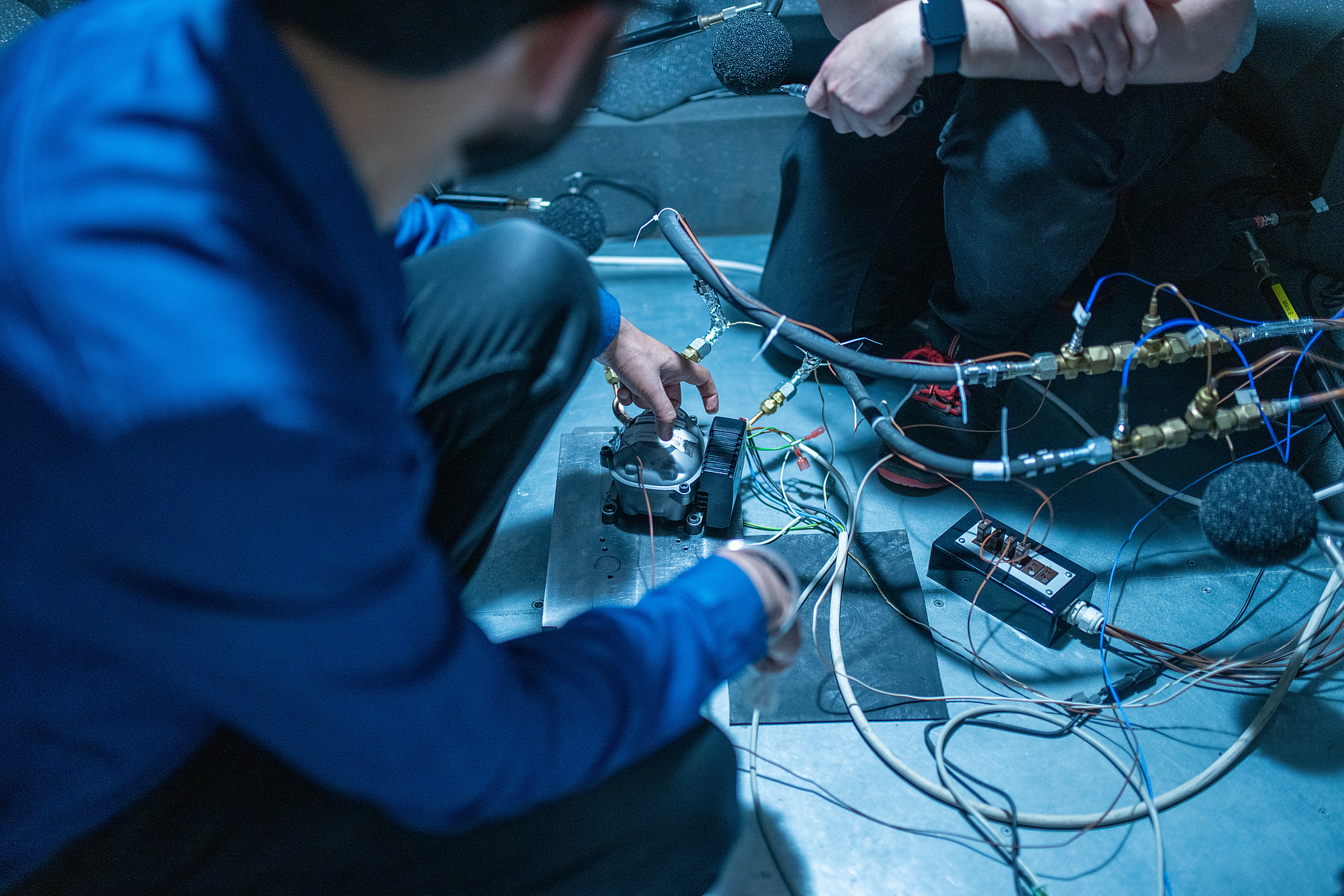
  • Noise tests: Rotating boom and reverberation chamber to determine the level of sound emitted by the compressors (4).
  • Start test: To determine the lowest voltage at which the compressor can start under different load conditions.
  • Stall tests: To determine the breakdown condition after compressor start of a compressor (5).
  • Run order program: To determine the right protector for a compressor. Progress starts with dimension tests and ends with approval tests for the authorities (VDE, UL and others).
  • Start/stop life test: To determine the mechanical strength of the connecting elements in a compressor during the start and stop cycles (6).
    Start/stop noise test: To determine the noise on a compressor during the start and stop cycles (7).
  • Purity testing panels: To determine the weekly control of a compressor‘s purity for the different refrigerants (8).
  • High-temperature lifetime tests: To examine the wear characteristics of the load bearings in an extreme environment simulated by a high-ambient temperature.
  • Lifetime panels: To examine the wear characteristics of the valve system, load bearings and contact interfaces of the compressor in an extreme environment (9).
  • Wear tests: To determine the mechanical strength of the compressor within a relatively short period of time.
  • Locked rotor tests: To determine the right motor protection for a compressor. Progress starts with dimension tests and ends with approval tests for the authorities (VDE, UL and others) (10).
  • Vibration & drop test: To examine the vibration strength of the compressor and to check if the assembled compressor is resistant function properly due to the effects of handling and transport.
  • Appliance test: To examine the wear characteristic of the load bearings in an application environment (11).

Customer Support

At Secop, leading compressor technology development goes hand in hand with global customer support. We utilize a "hub and satellite set-up" to ensure you always receive the best possible technical assistance nearest to you. Secop maintains facilities in Flensburg, Germany, alongside production facilities in China and Slovakia. Additionally, we operate sales and technical support offices in the USA, China, and Turkey.

Support Level 1

Satellites 

Our strategically located satellite support centers in Mexico, Europe, Africa, Asia, and Australia enable Secop to assist customers across all regions. By operating in your local language, culture, and timezone, this global presence makes it easy to:

  • Support customer development
  • Solve potential problems quickly
  • Arrange technical meetings with customers

Support Level 2

Hubs

In addition to our satellites, Secop operates four major hubs located in the USA, Europe, Turkey, and China. These hubs concentrate large-scale expert knowledge in innovative compressor technology. Customers in all regions receive complete support for their activities and benefit from:

  • Technical support and training
  • Technical documentation
  • Product application support
  • Market information and benchmark support
  • Sampling process support
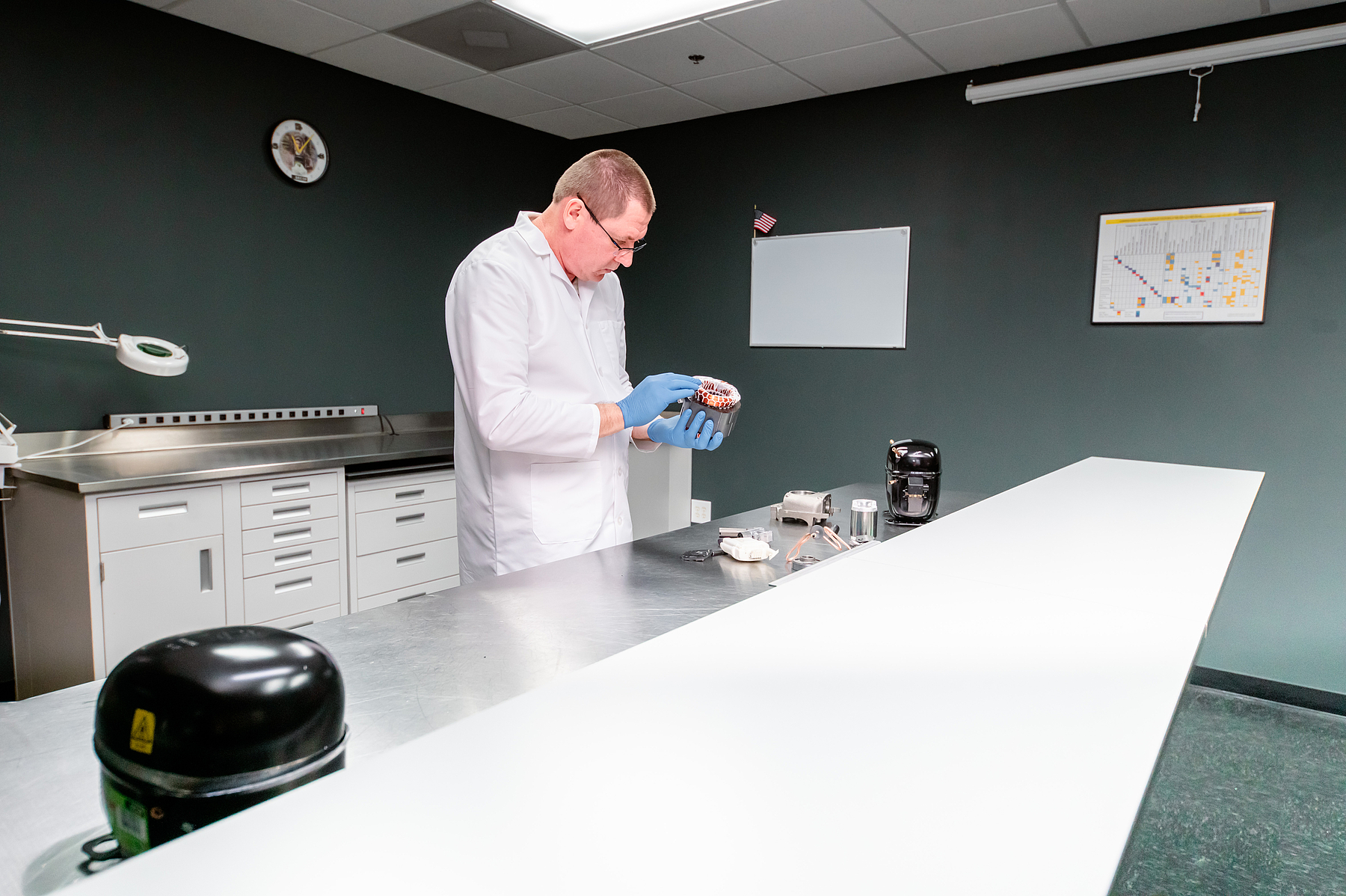
  • Dismantling support in case of technical issues

Support Level 3

Laboratories

Secop has established specialized laboratories at our global hubs – including climate rooms, noise rooms, and dismantling premises – to conduct a comprehensive range of testing. These facilities drive our ambition to engineer immediate, vital support for customers within our focus segments: Stationary Cooling, Mobile Cooling, and Medical Cooling.

Appliance Tests

  • Standard tests, such as pull-down and energy consumption
  • Customized tests, such as variable-speed optimizations
  • Specialized tests for solving technical issues

Customer Tests Include

  • Compressor and refrigerant selection
  • Cabinet improvements
  • Charge determinations
  • Selection on components
  • Energy consumption evaluations
  • Capacity testing
  • Trouble shooting

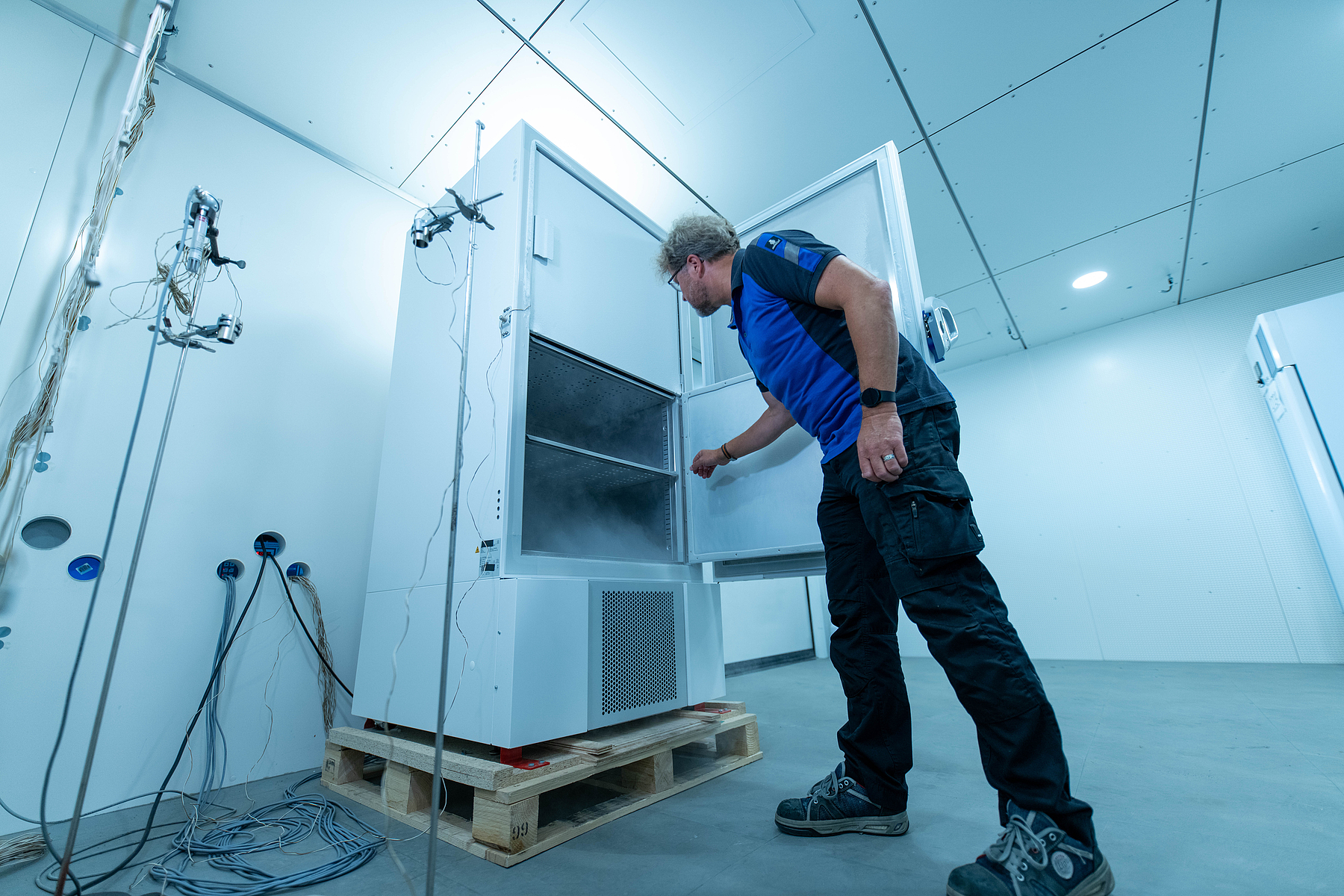
Climate Rooms

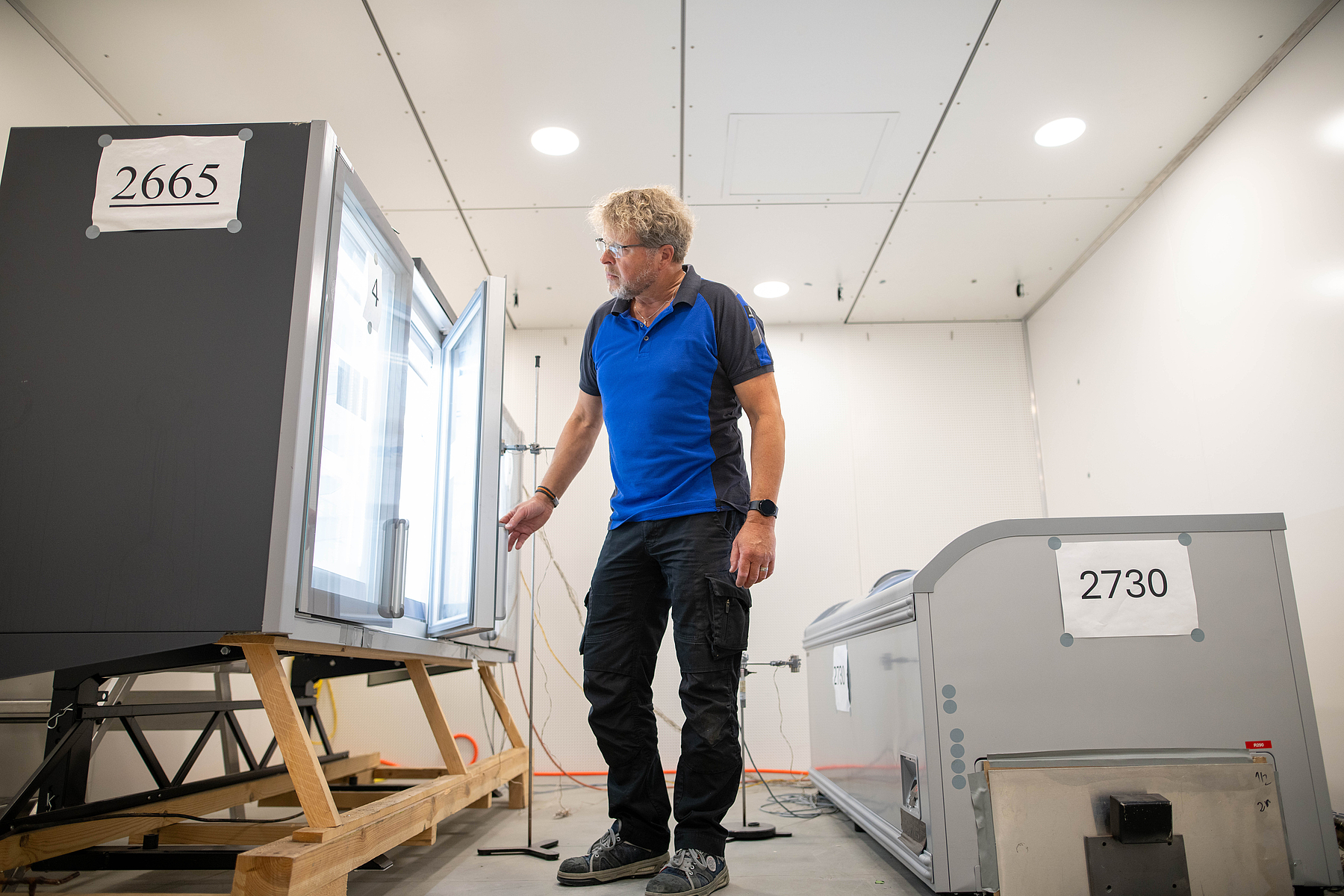
Secop´s climate rooms facilitate functional and performance tests under extreme conditions. Testing in real-world application scenarios helps examine and solve customer problems, while improving appliance efficiency and capacity. Furthermore, this testing drives continuous design improvements, such as the transition from HFCs to natural, low-GWP refrigerants.

Noise Rooms

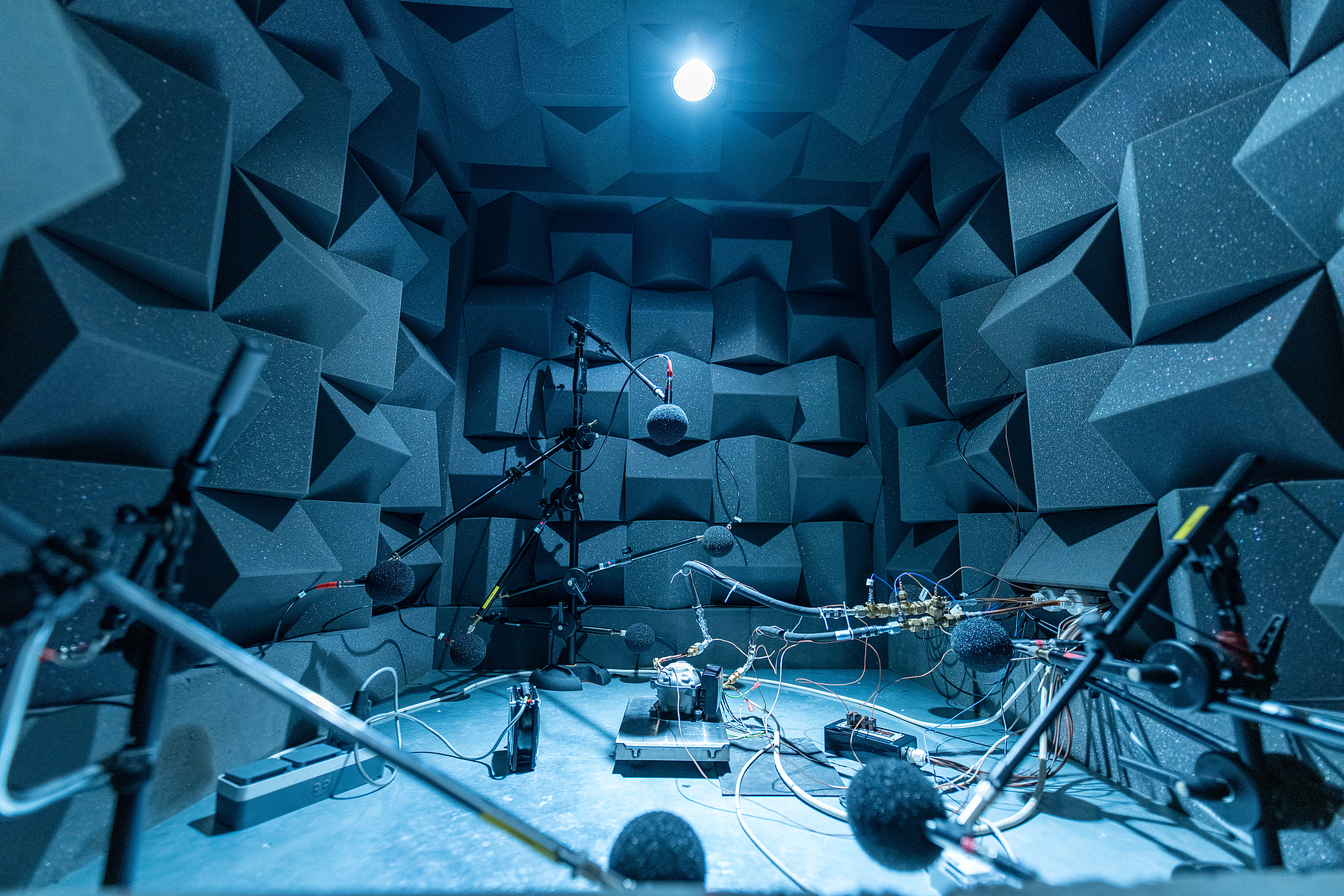
Because noise, vibrations, and pulsations are critical concerns in modern refrigeration, dedicated noise rooms assess perceived noise impact. Secop has invested years of cutting-edge expertise into this area to set high benchmarks for low-noise operation. Tests include:

  • Appliance tests
  • Standard tests
  • Customer tests
  • Cabinet improvements
  • Trouble shooting

Solving today’s problems while meeting the challenges of tomorrow is the guiding principle reflected in all our products, services, and information. For this reason, Secop is a reliable partner you can trust throughout the region.
Technical Literature

  • Exploded View KLF Compressor

    Exploded View KLF Compressor

    | PDF

    Download (4.31 MB)
  • KL-Series Tropical Compressors (KLF), R290, 200-240 V, 50/60 Hz & 208-230 V, 60 Hz & 200-240 V, 50 Hz

    KL-Series Tropical Compressors (KLF), R290, 200-240 V, 50/60 Hz & 208-230 V, 60 Hz & 200-240 V, 50 Hz

    | Literature | Leaflets

    Download (410.40 KB)
  • K-Series Compressors (HXK incl. Tropical, HZK), R600a, 220-240 V, 50/60 Hz & 208-230 V, 60 Hz

    K-Series Compressors (HXK incl. Tropical, HZK), R600a, 220-240 V, 50/60 Hz & 208-230 V, 60 Hz

    | Literature | Leaflets

    Download (882.43 KB)
  • K-Series Tropical Compressors, R134a, 200-240 V, 50 Hz

    K-Series Tropical Compressors, R134a, 200-240 V, 50 Hz

    | Literature | Leaflets

    Download (414.20 KB)

Wir verwenden Cookies, um Inhalte und Werbung zu personalisieren, um Funktionen für soziale Medien bereitzustellen und um unseren Datenverkehr zu analysieren. Wir geben auch Informationen über Ihre Nutzung unserer Website an unsere Partner für soziale Medien, Werbung und Analysen weiter. Klicken Sie auf „Einstellungen verwalten“, wenn Sie mehr über unsere Cookies lesen und Ihre Einstellungen anpassen möchten. Wenn Sie auf „Alle akzeptieren“ klicken, erklären Sie sich mit der Verwendung aller Cookies, wie in unserer Datenschutzerklärung beschrieben, einverstanden. Datenschutzerklärung