The Danfoss Compressors Era
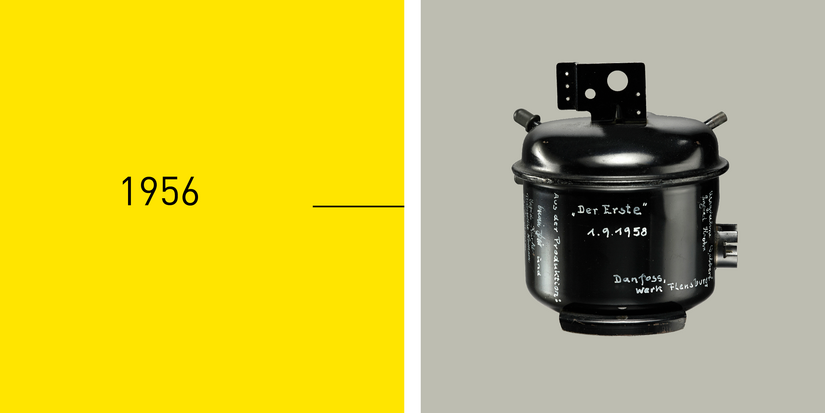
The story of battery-driven compressors begins in the late 1970s, a time when mobility and independence were becoming increasingly important. In 1977, Danfoss took a decisive step forward with the launch of the TL compressor, a modern successor to the smaller PW model. The TL quickly proved its worth, helping Danfoss reclaim its position as a quality and sales leader in Western Europe.
First Battery-Driven Direct Current Compressors
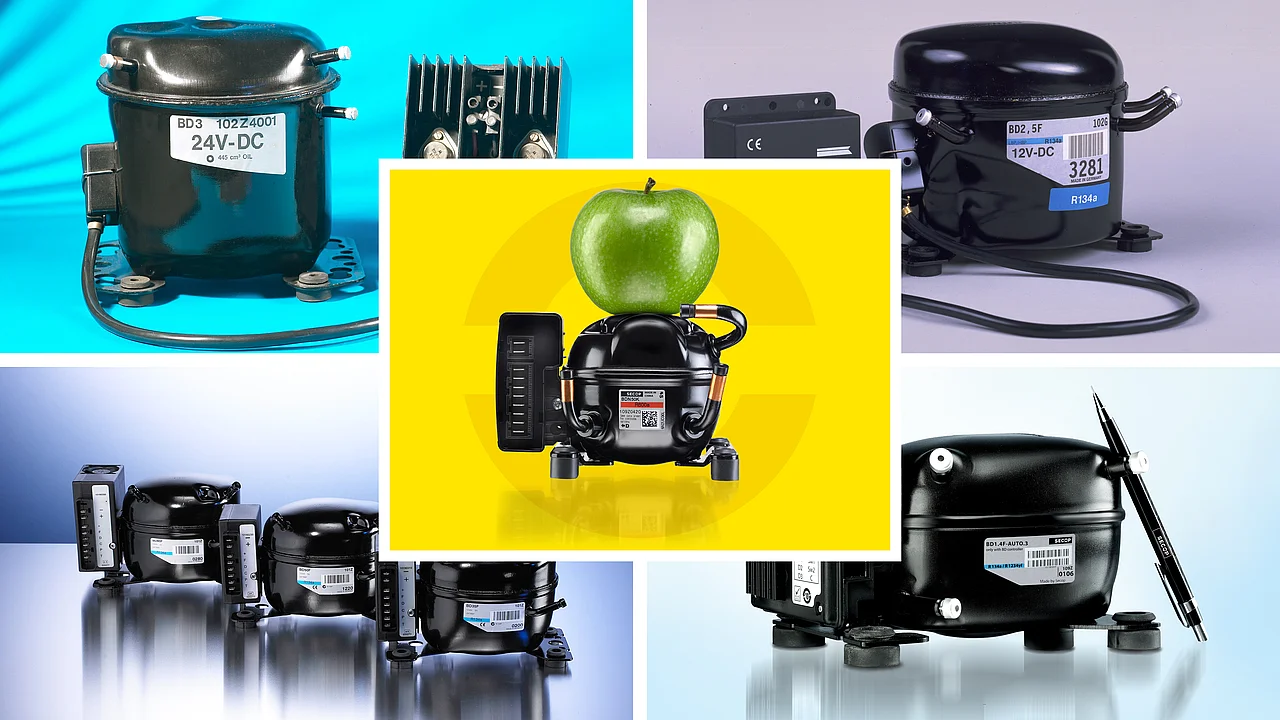
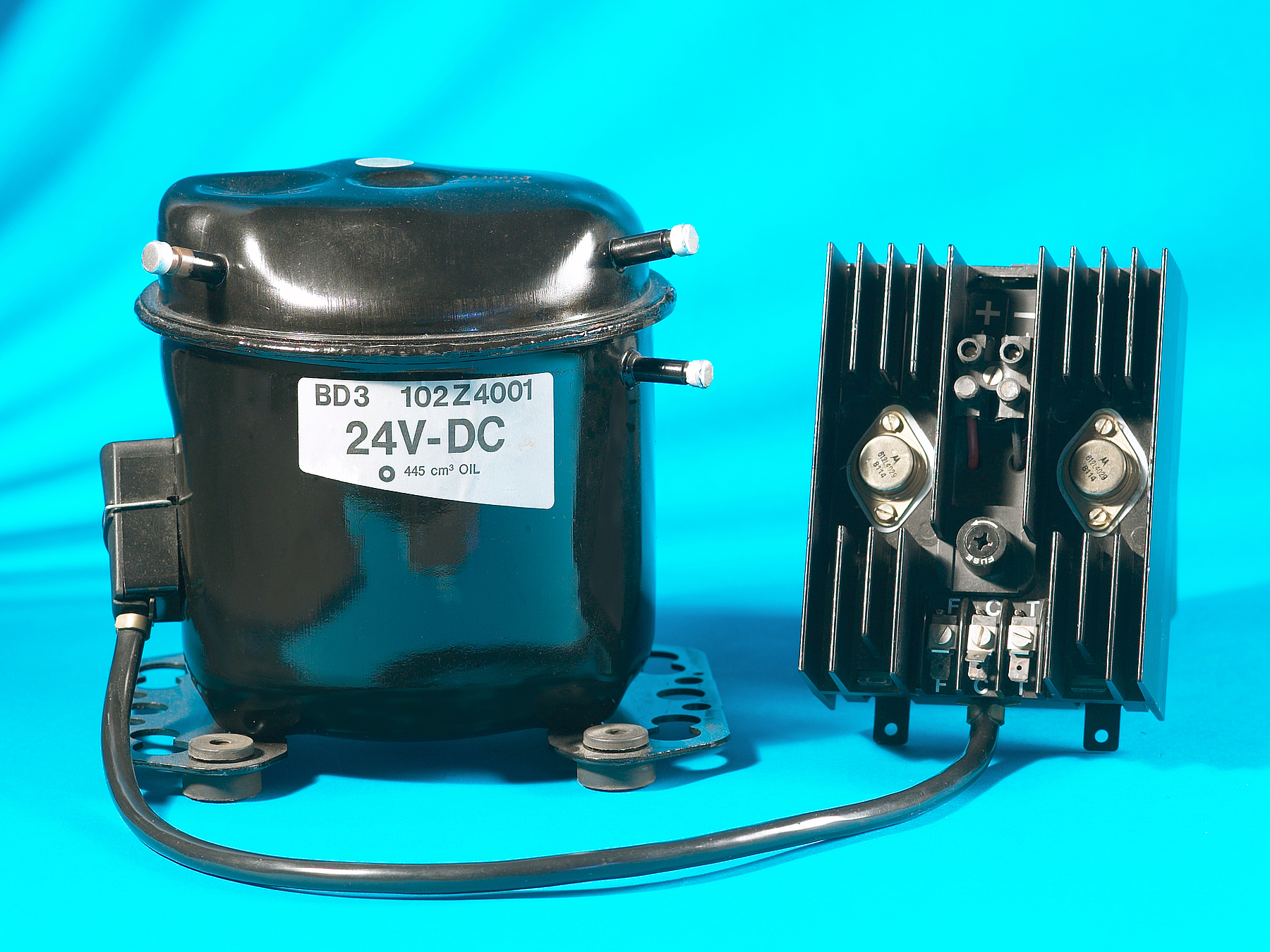
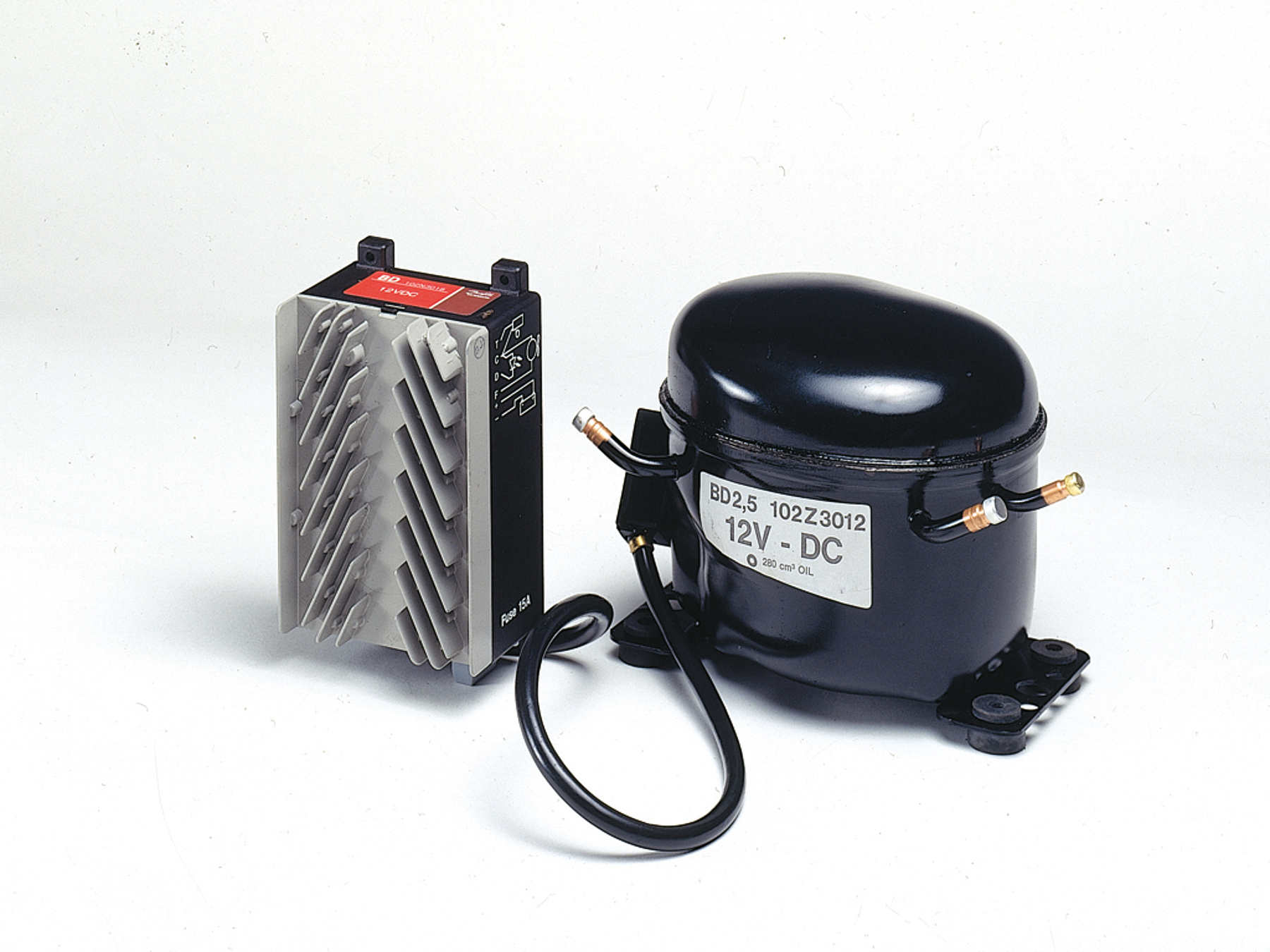
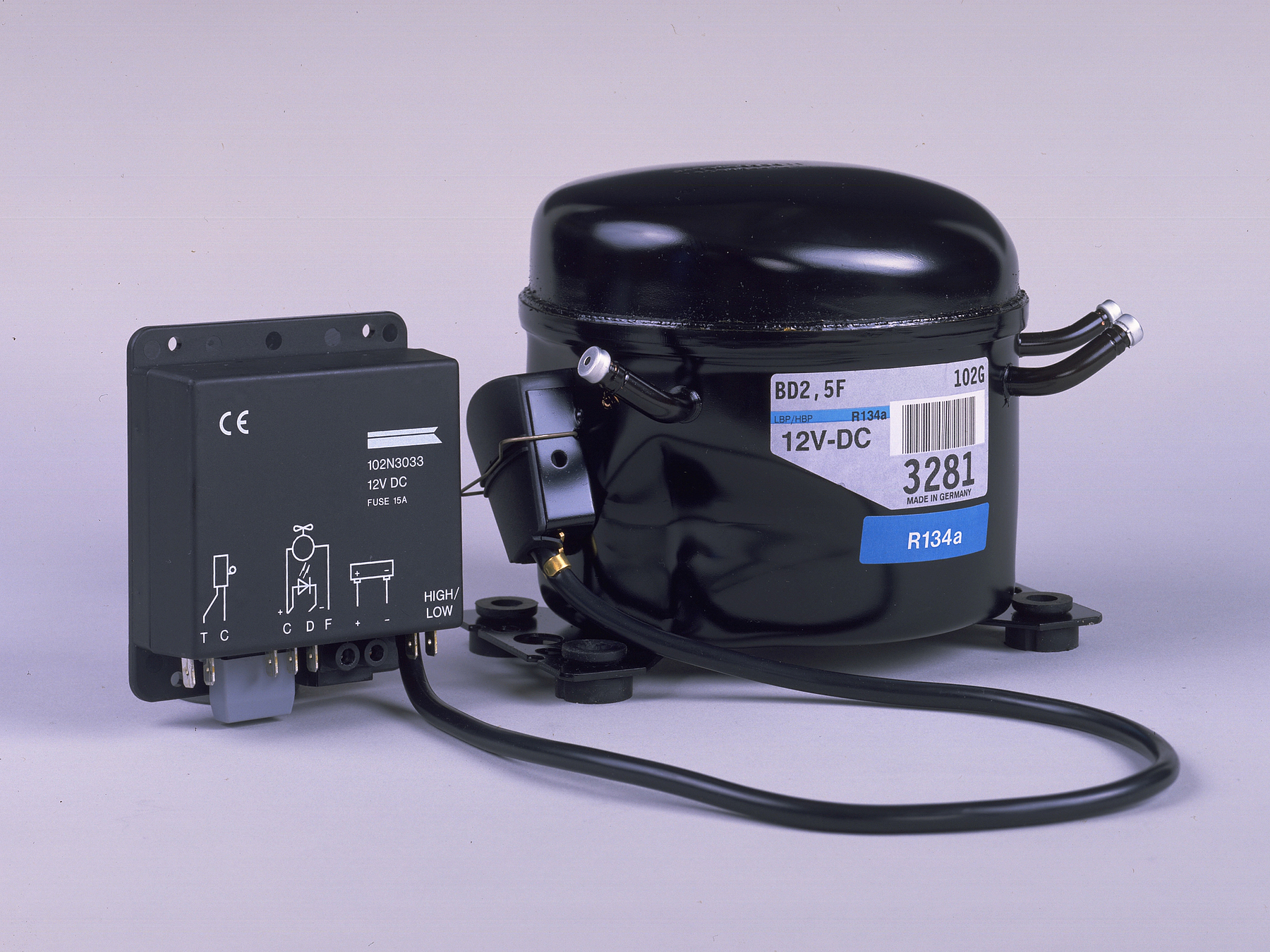
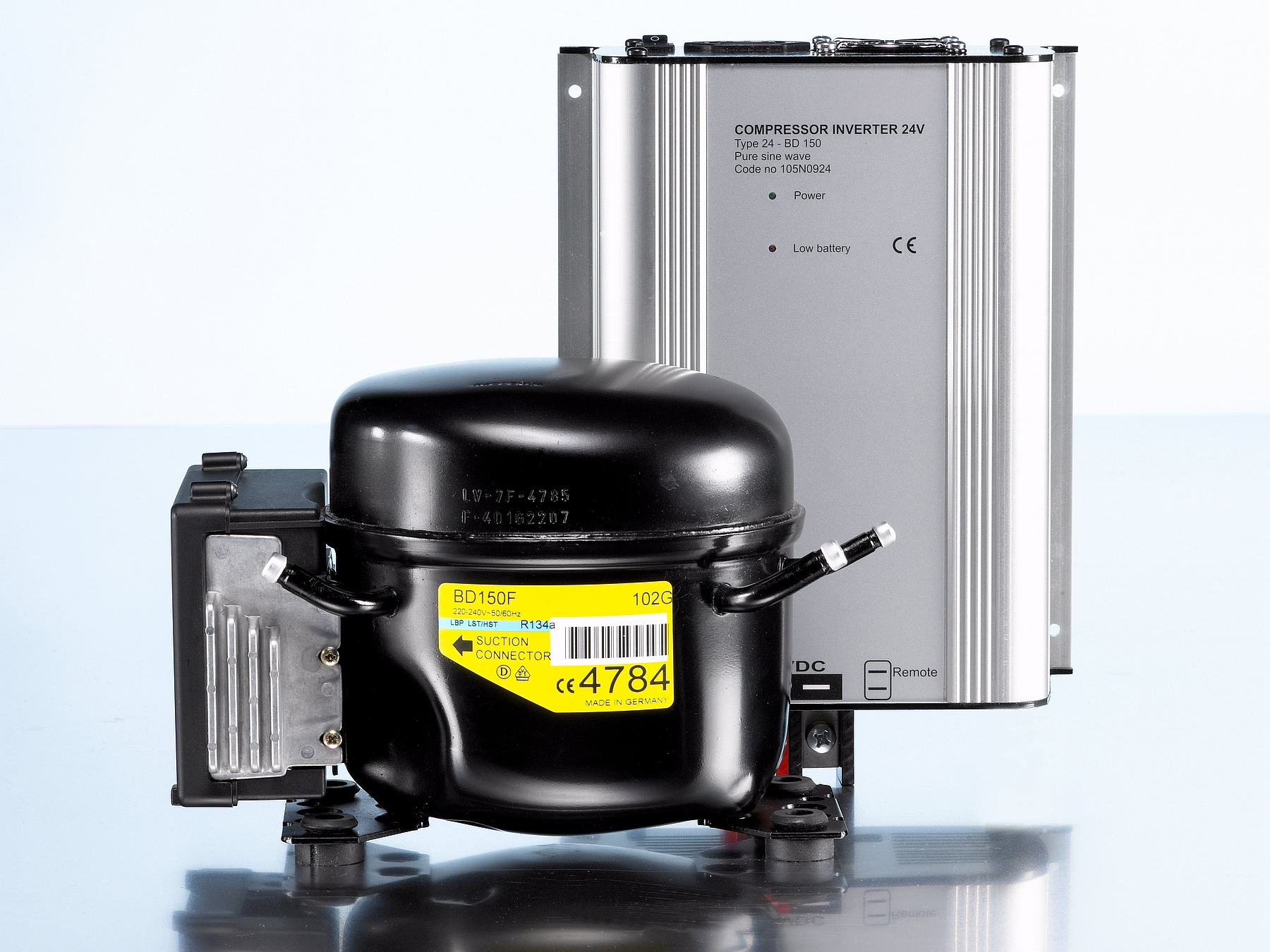
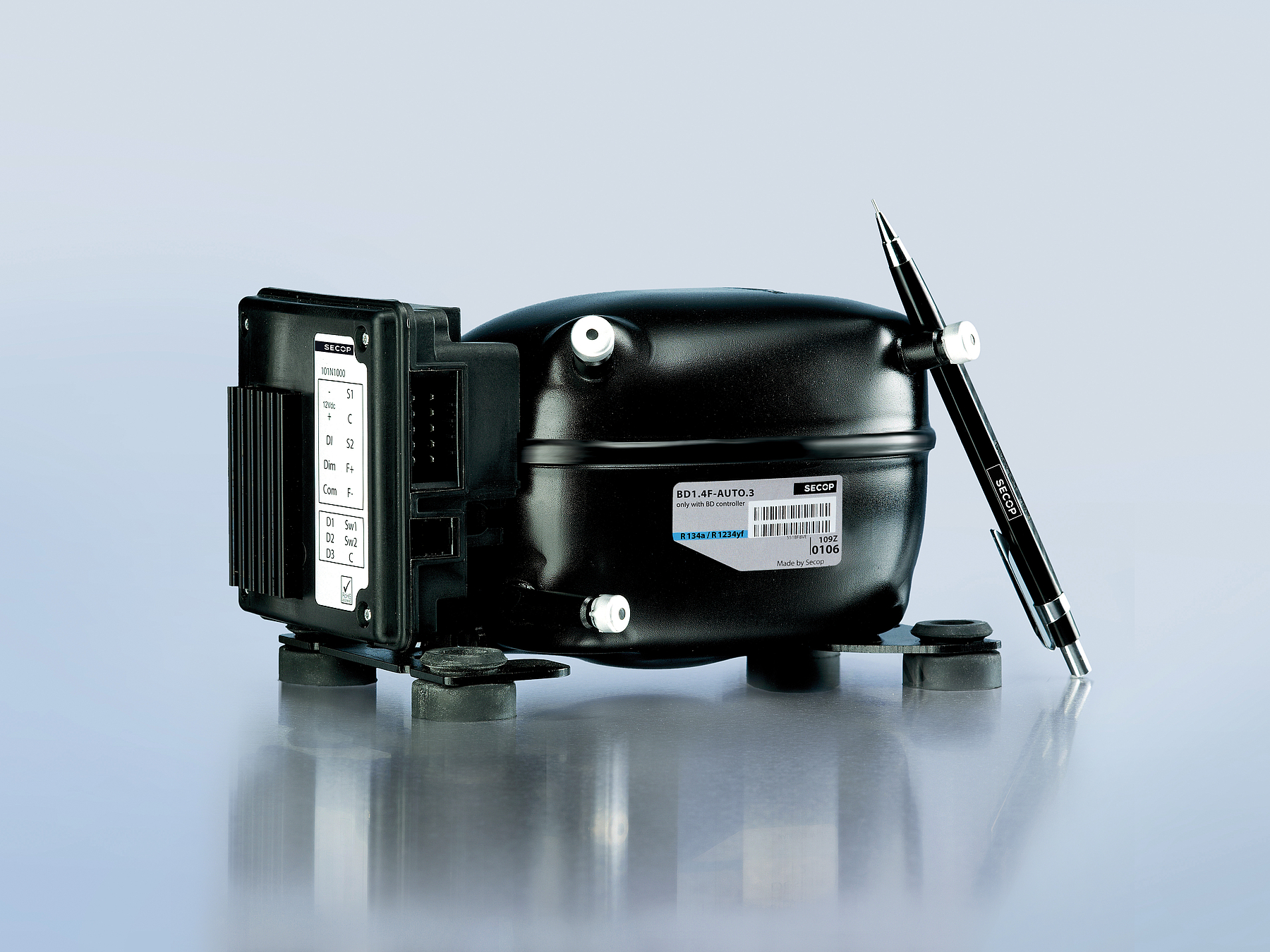
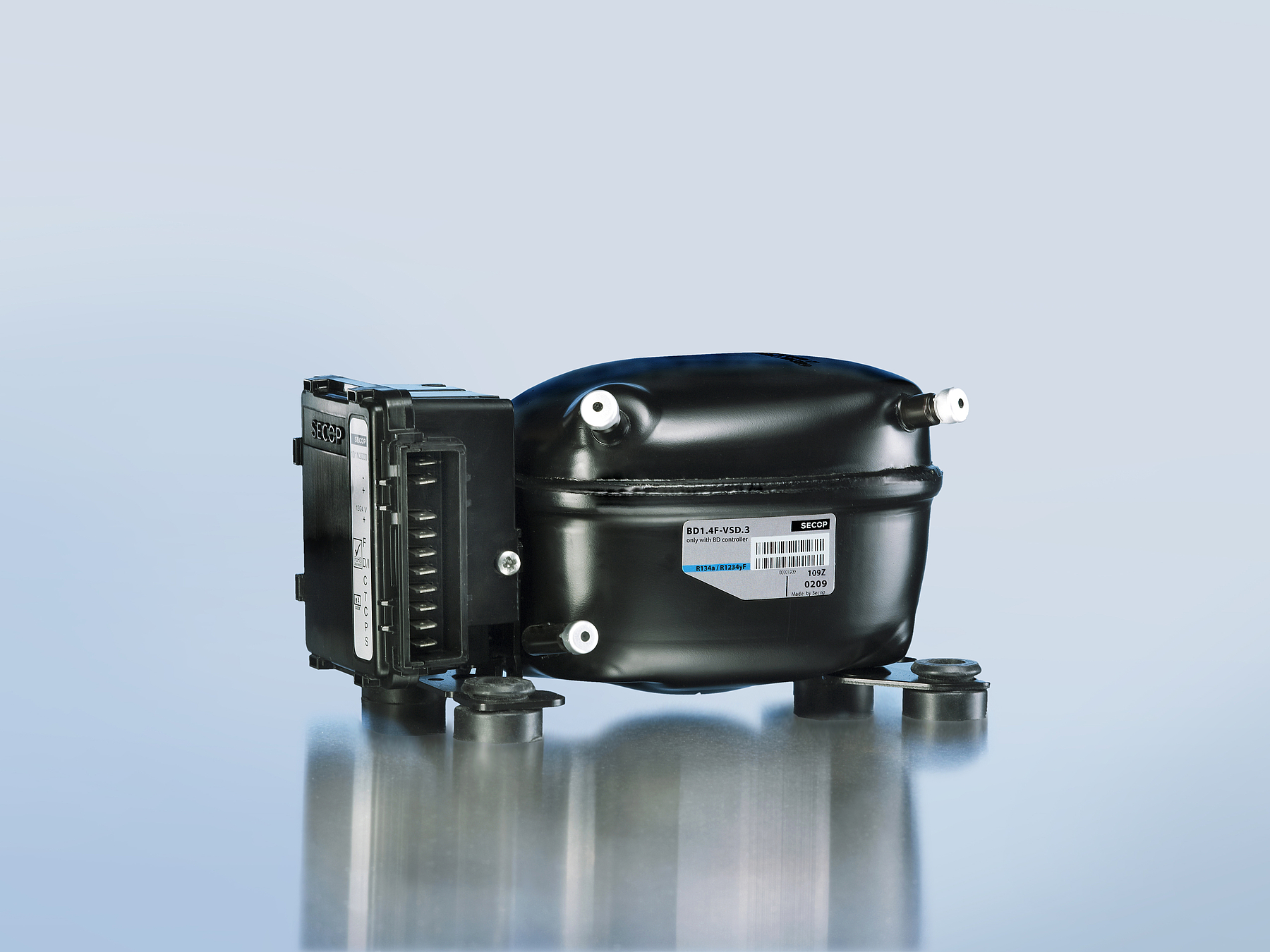
That same year marked another breakthrough: the introduction of the BD compressor. Initially based on the PW design and later refined using TL technology, the BD was engineered to operate on 12- and 24-volts DC. This innovation opened entirely new possibilities. For the first time, reliable cooling could travel anywhere – into caravans, buses, trucks, and yachts. Appropriately, the name “BD” stood for “battery-driven,” and it soon became synonymous with dependable mobile refrigeration and food preservation.
As the years passed, innovation continued. In 1992, Danfoss began piloting what was then the smallest hermetic piston compressor in the world: the PL type. Its name reflected both its compact nature – derived from the word piccolo – and its technical sophistication. This platform would later become the foundation for many future BD models.
Introduction of PL-BD (aka BD-P) Compressors
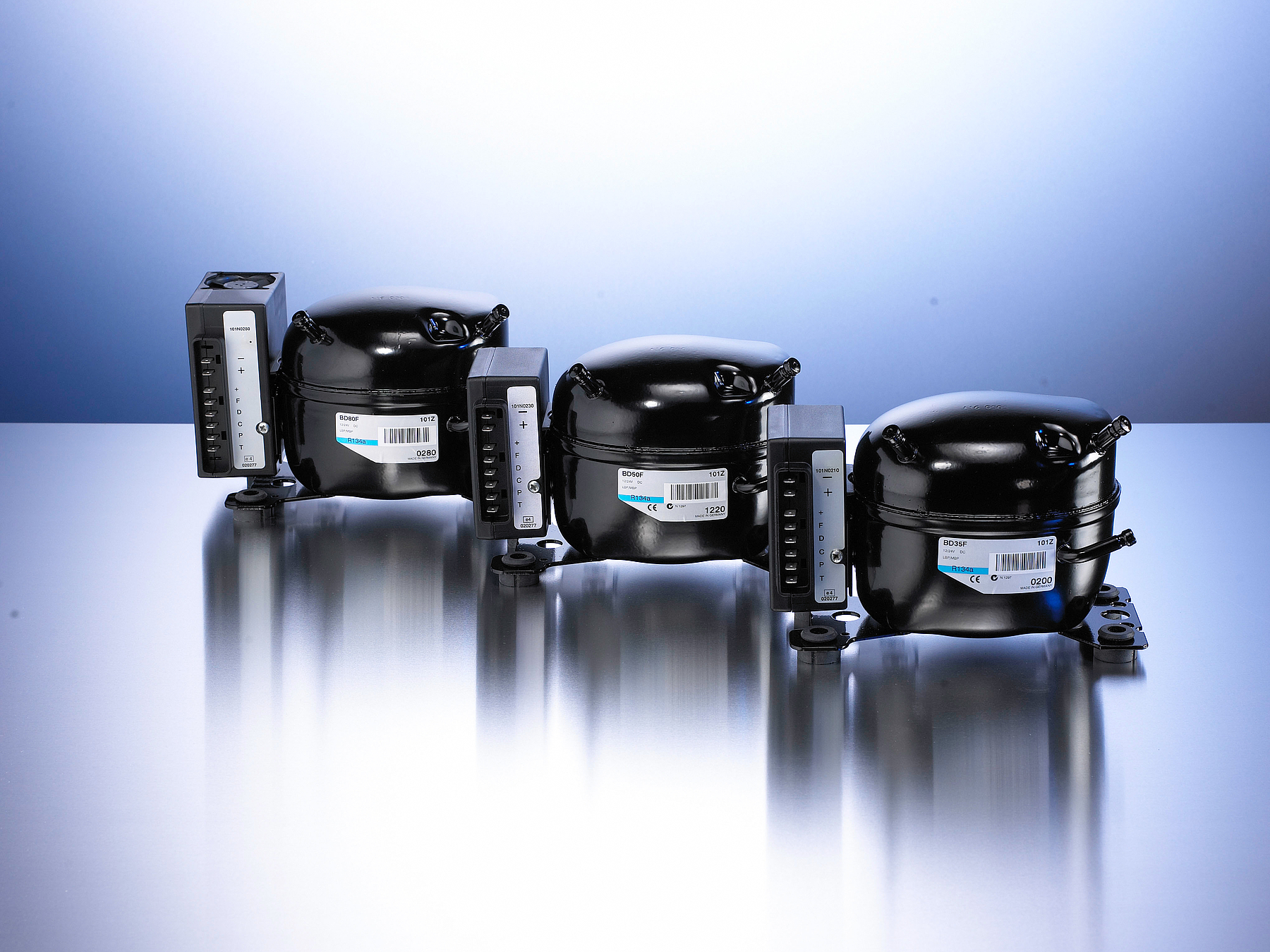
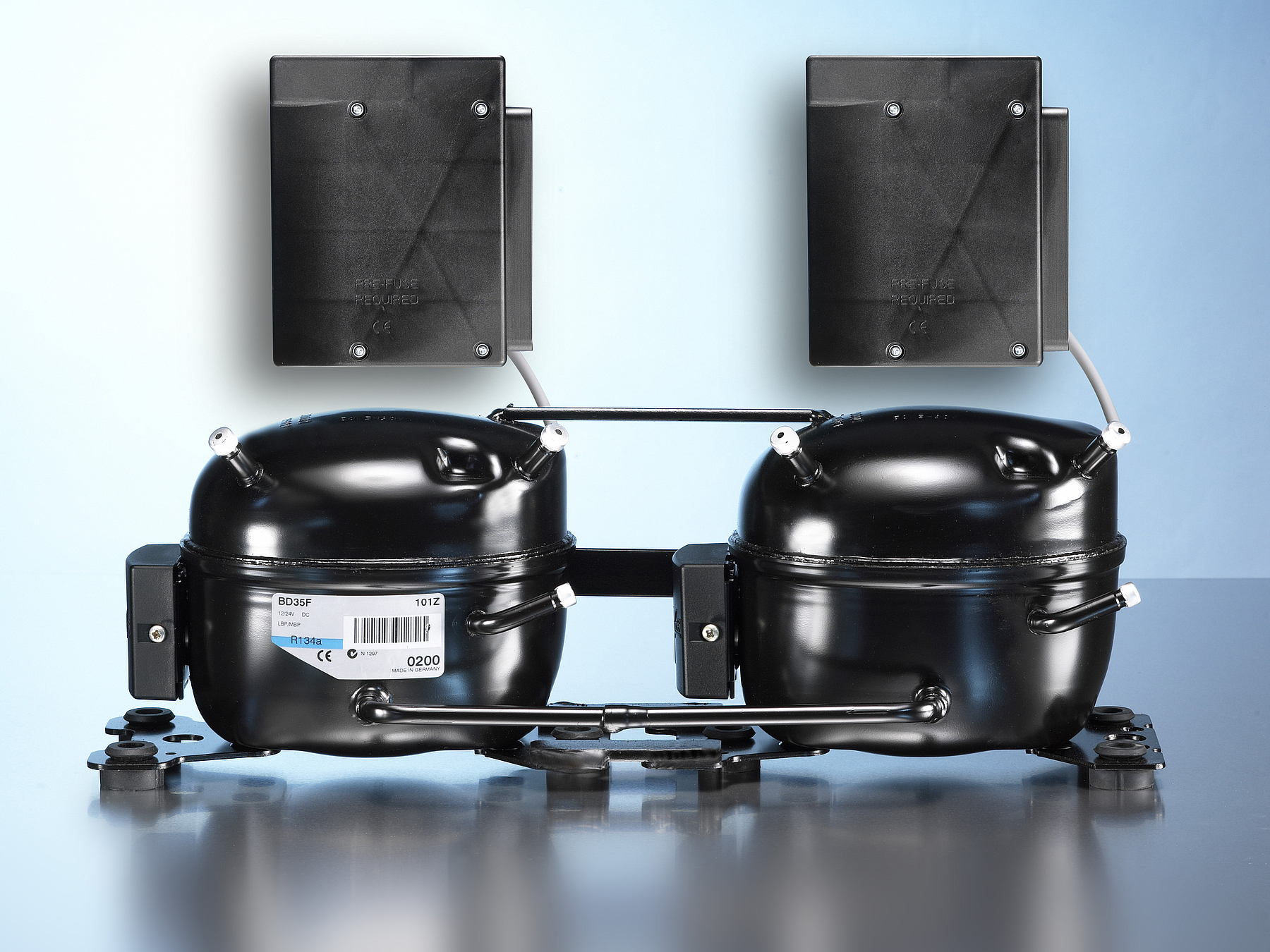
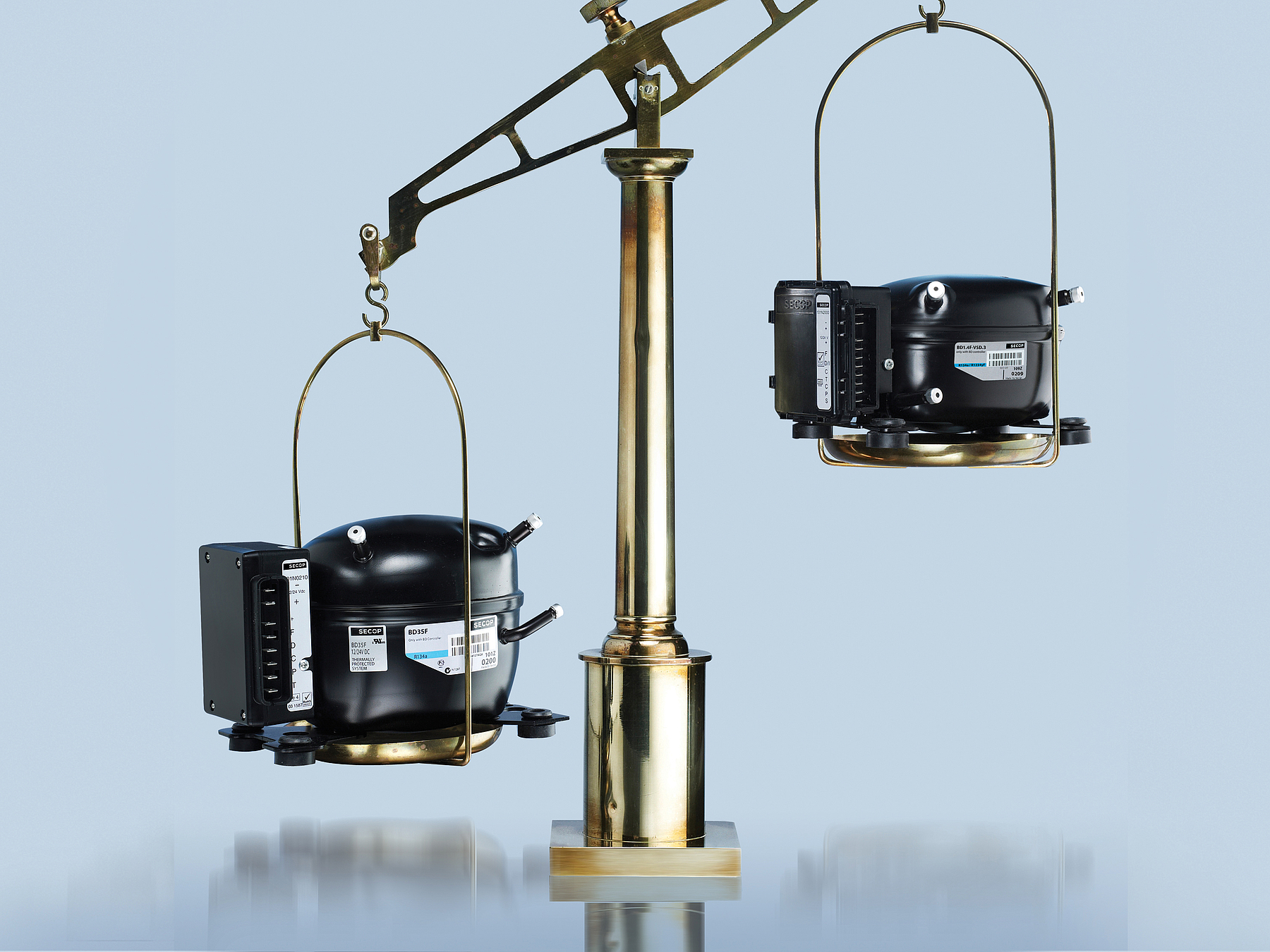
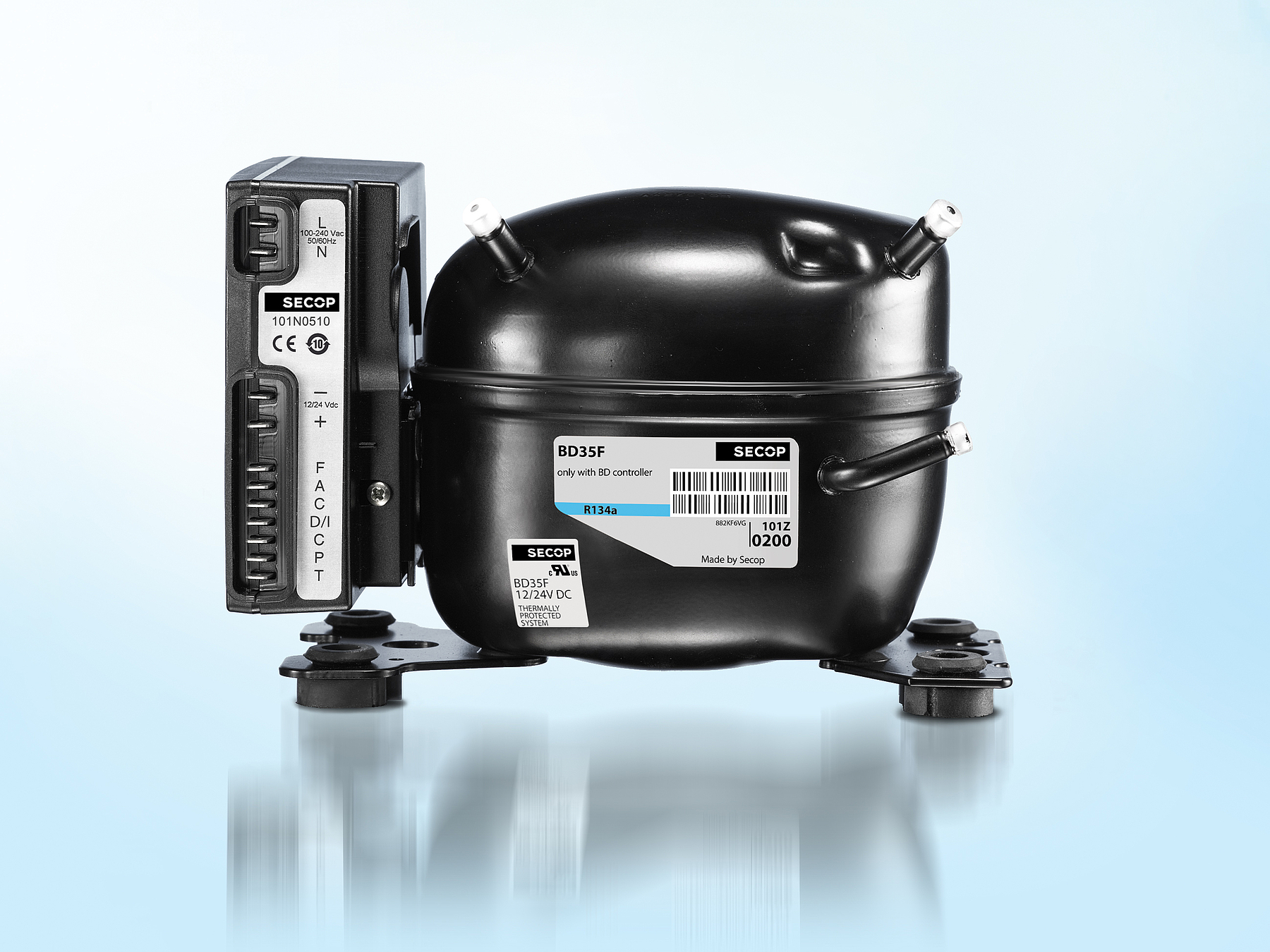
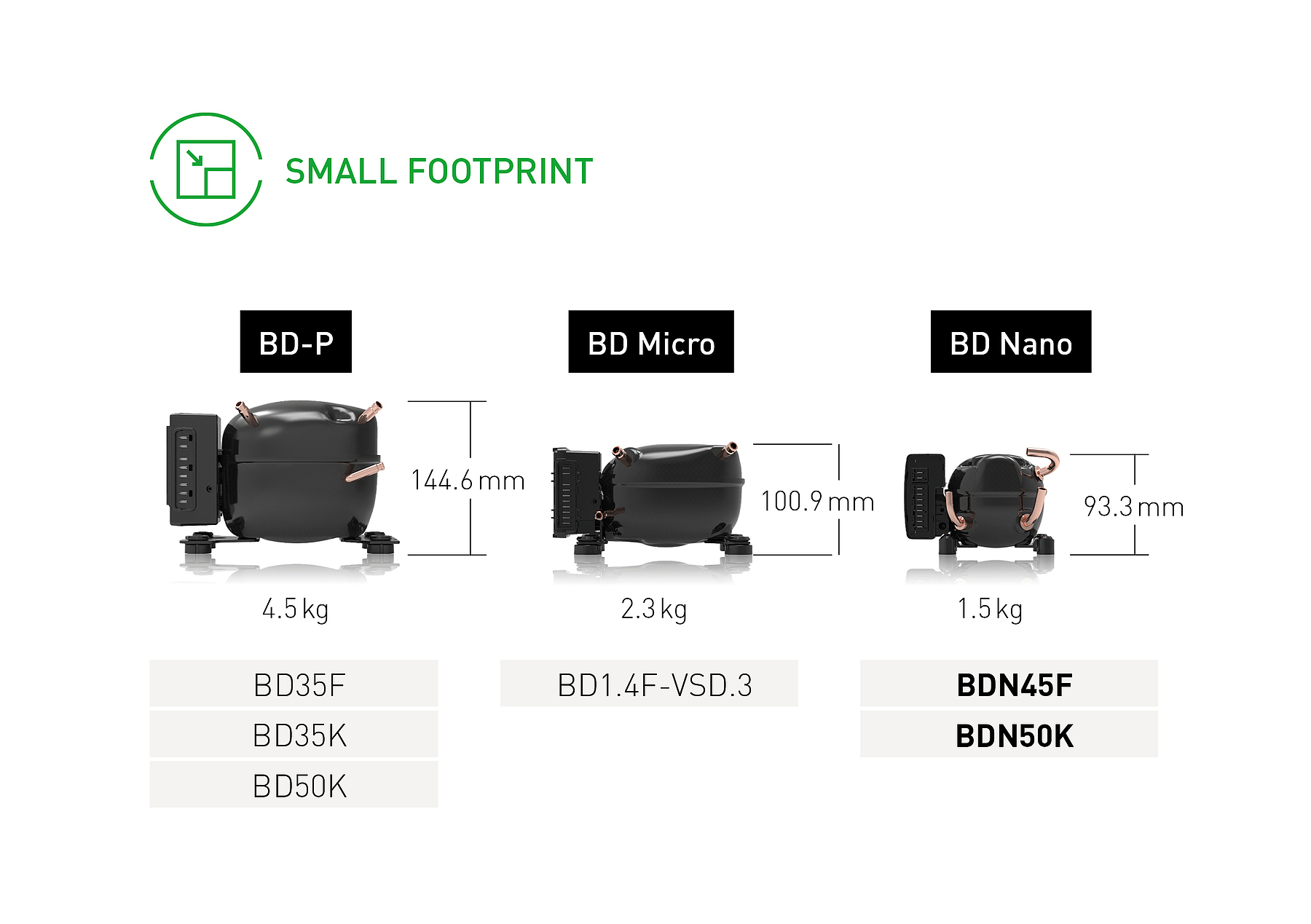
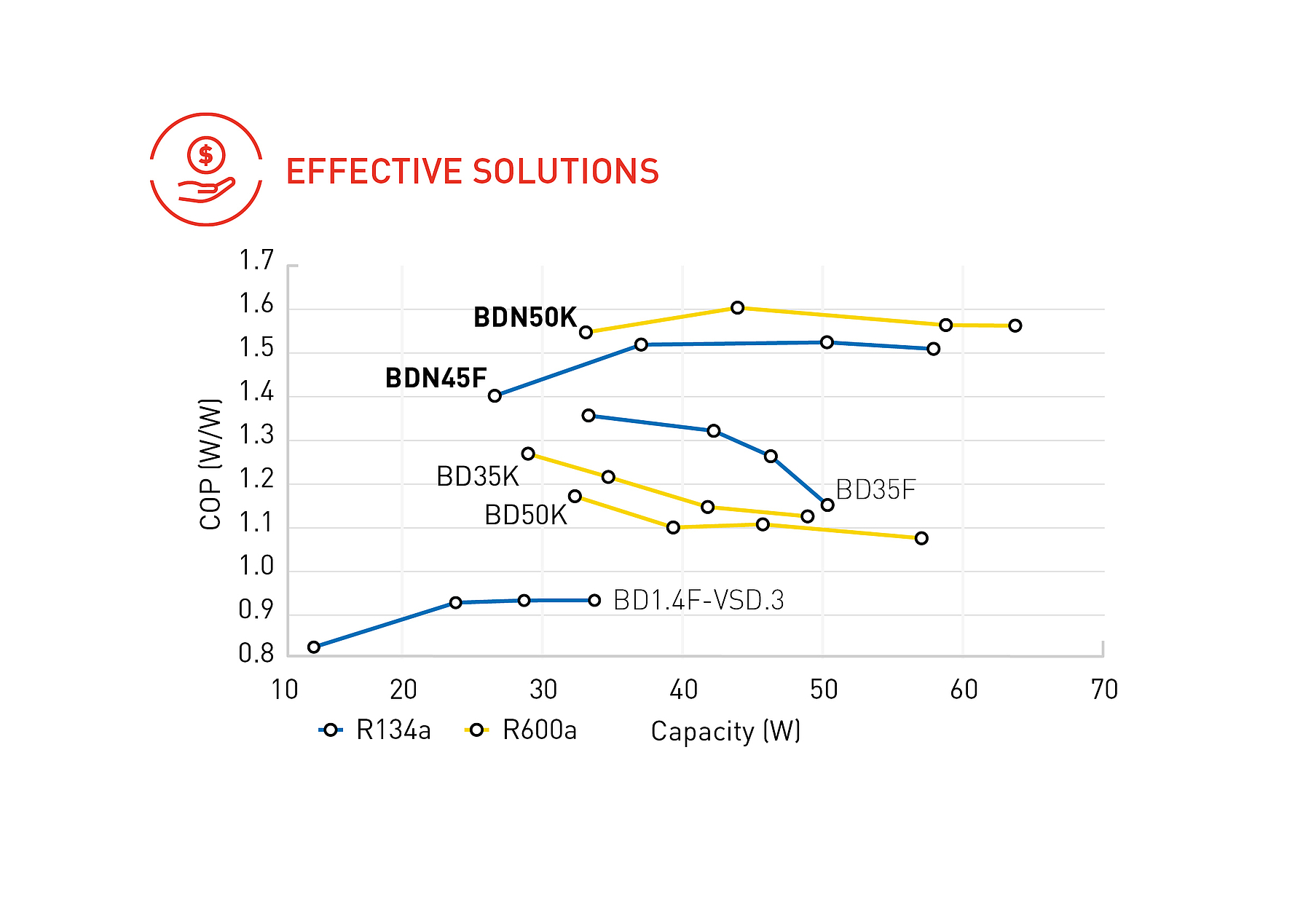
The late 1990s ushered in a new era of efficiency. In 1998, the BD35F was introduced for 12 and 24 V DC applications, featuring variable-speed control that significantly reduced energy consumption. Just a year later, the more powerful BD50F followed, expanding the range while maintaining the same efficiency-driven philosophy.
Expansion of the BD Compressor Series Portfolio
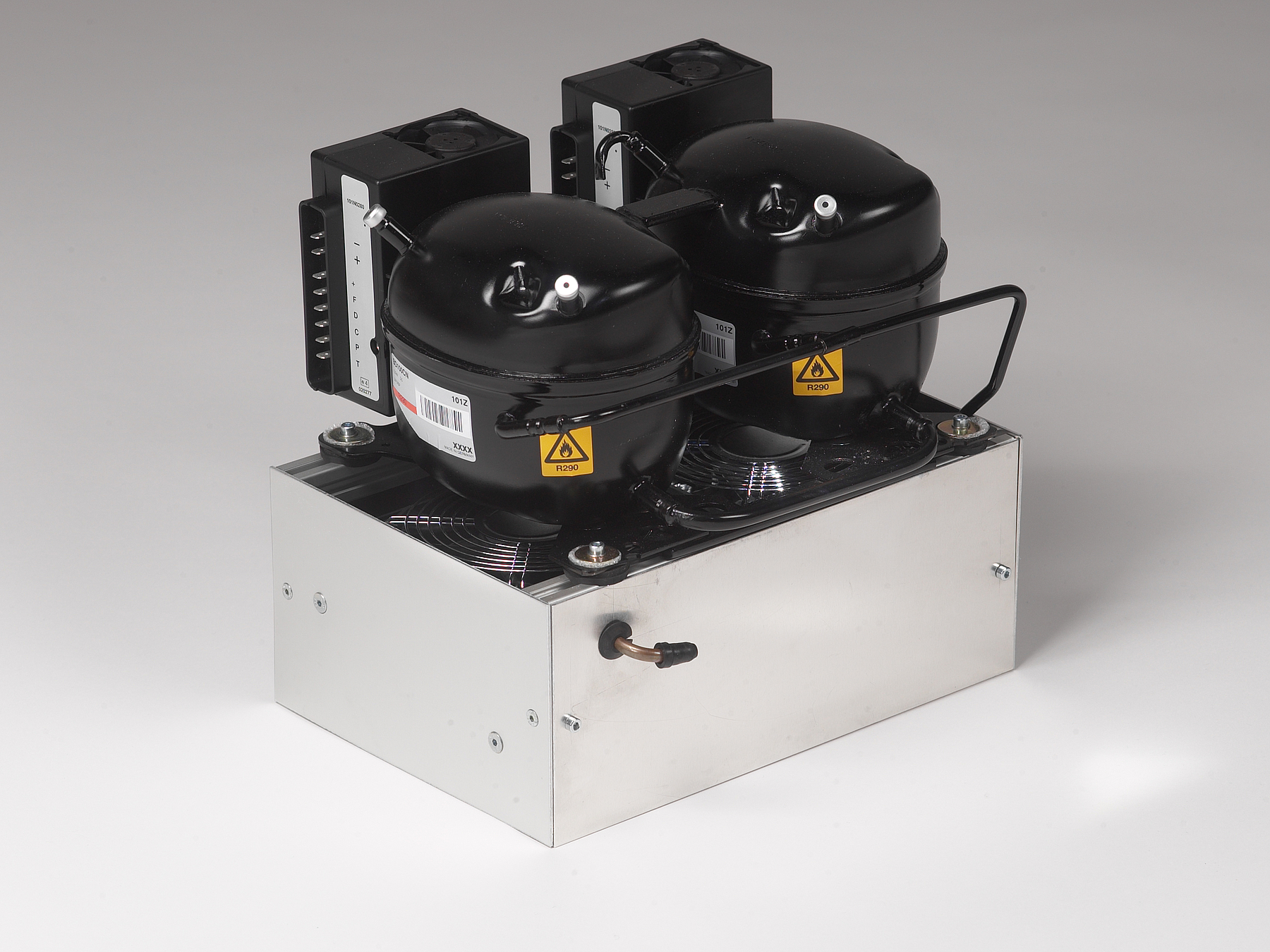
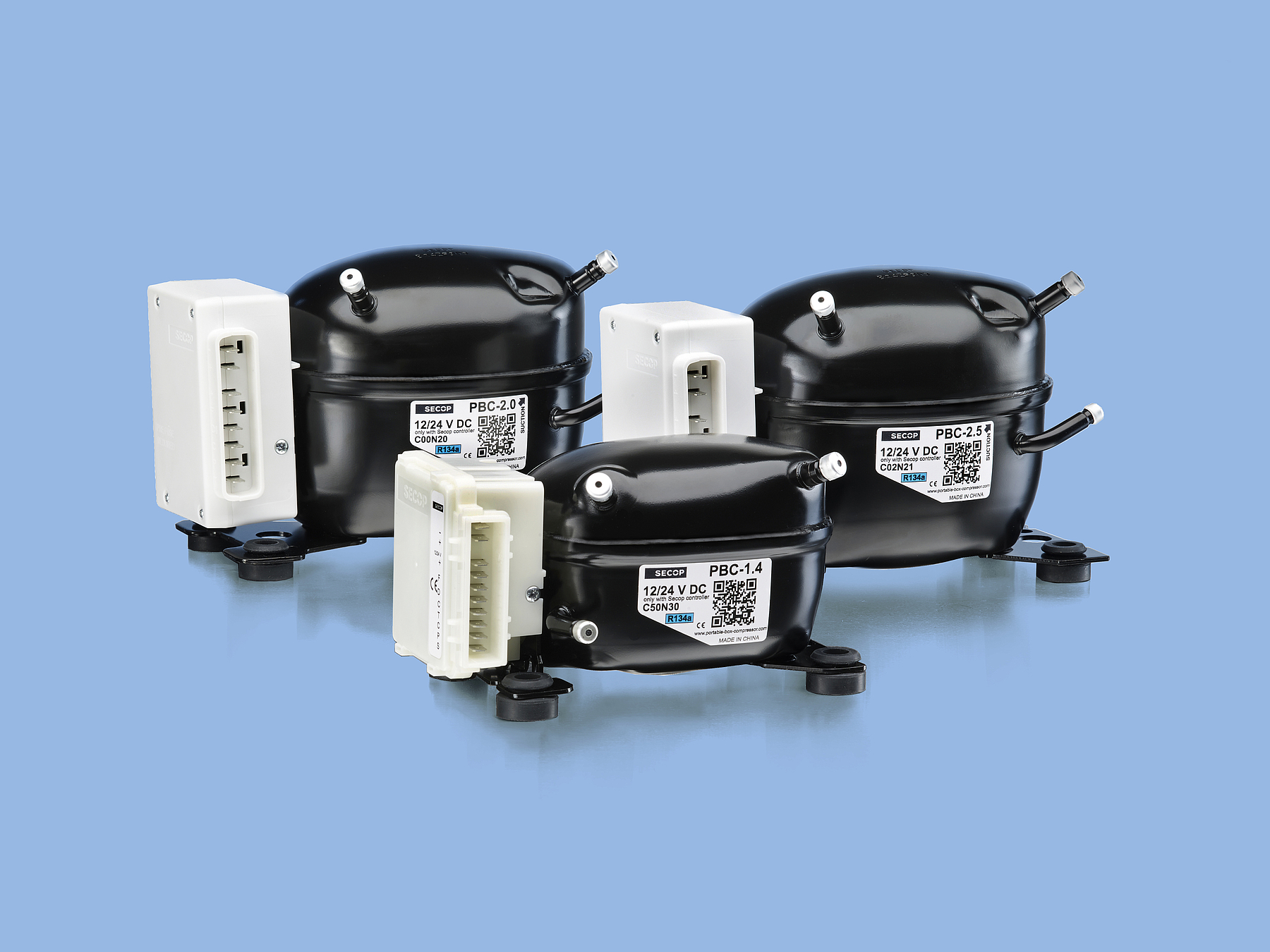
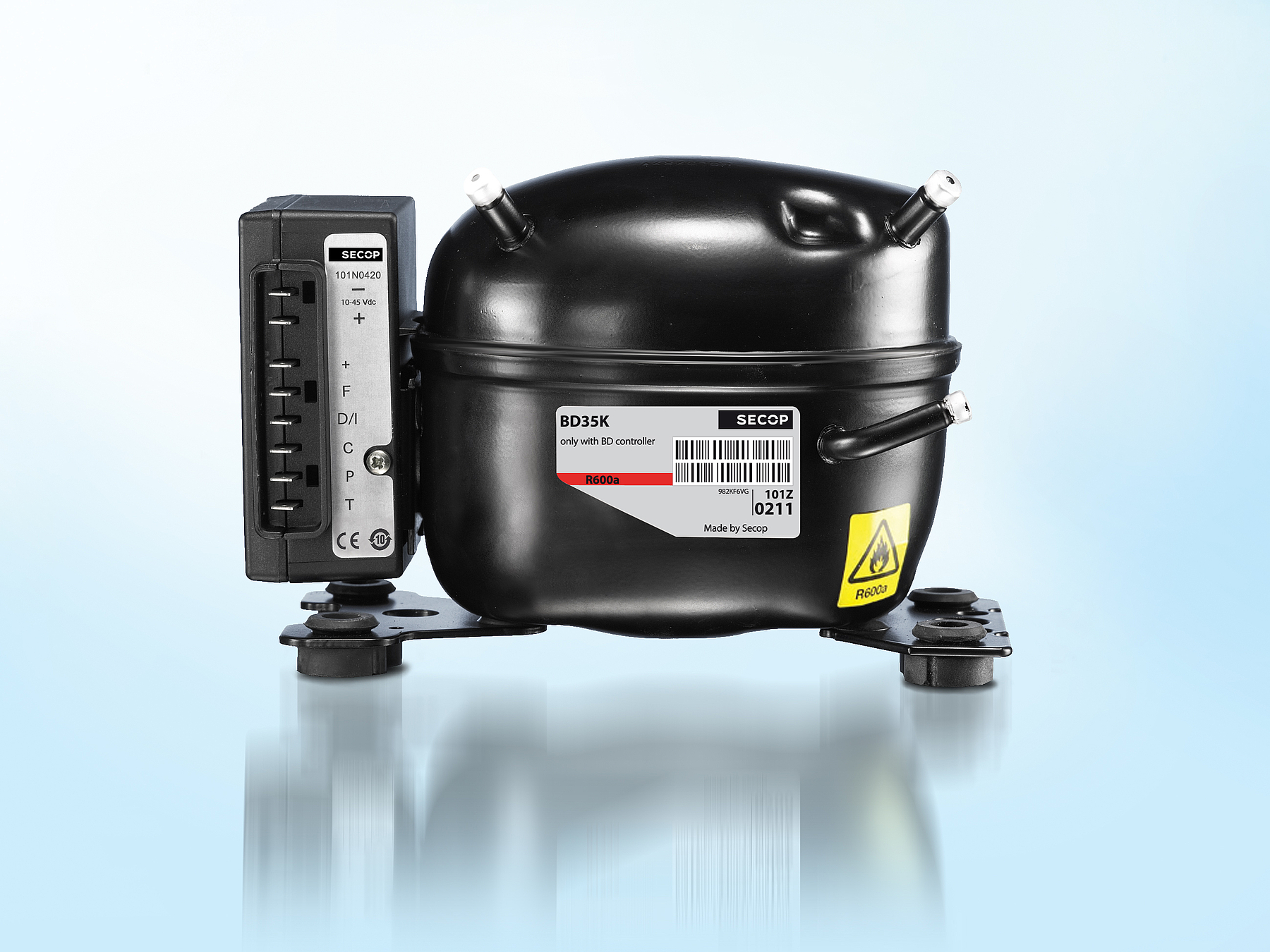
The early 2000s saw rapid expansion of the BD family. Models such as the BD35K (for solar applications and the environmentally friendly refrigerant R600a), and the BD80F demonstrated a clear focus on versatility and sustainability. New refrigerants like isobutane (R600a) and propane (R290) reflected growing environmental awareness, while AC/DC electronic units and higher-capacity compressors addressed increasingly demanding applications.